Though this space has been in hibernation, the recipes, stories and ideas continue. You can now find my writing on the Substack platform, a newsletter to which you can sign up, and a homepage with all the articles accessible in one place.
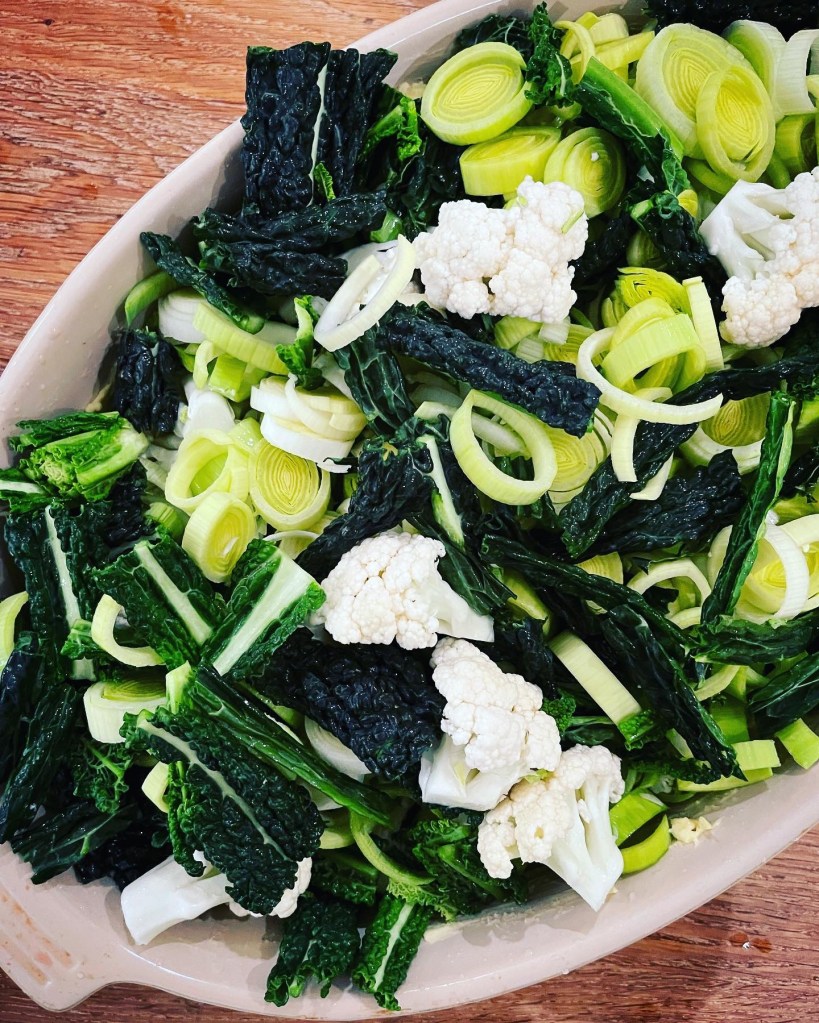
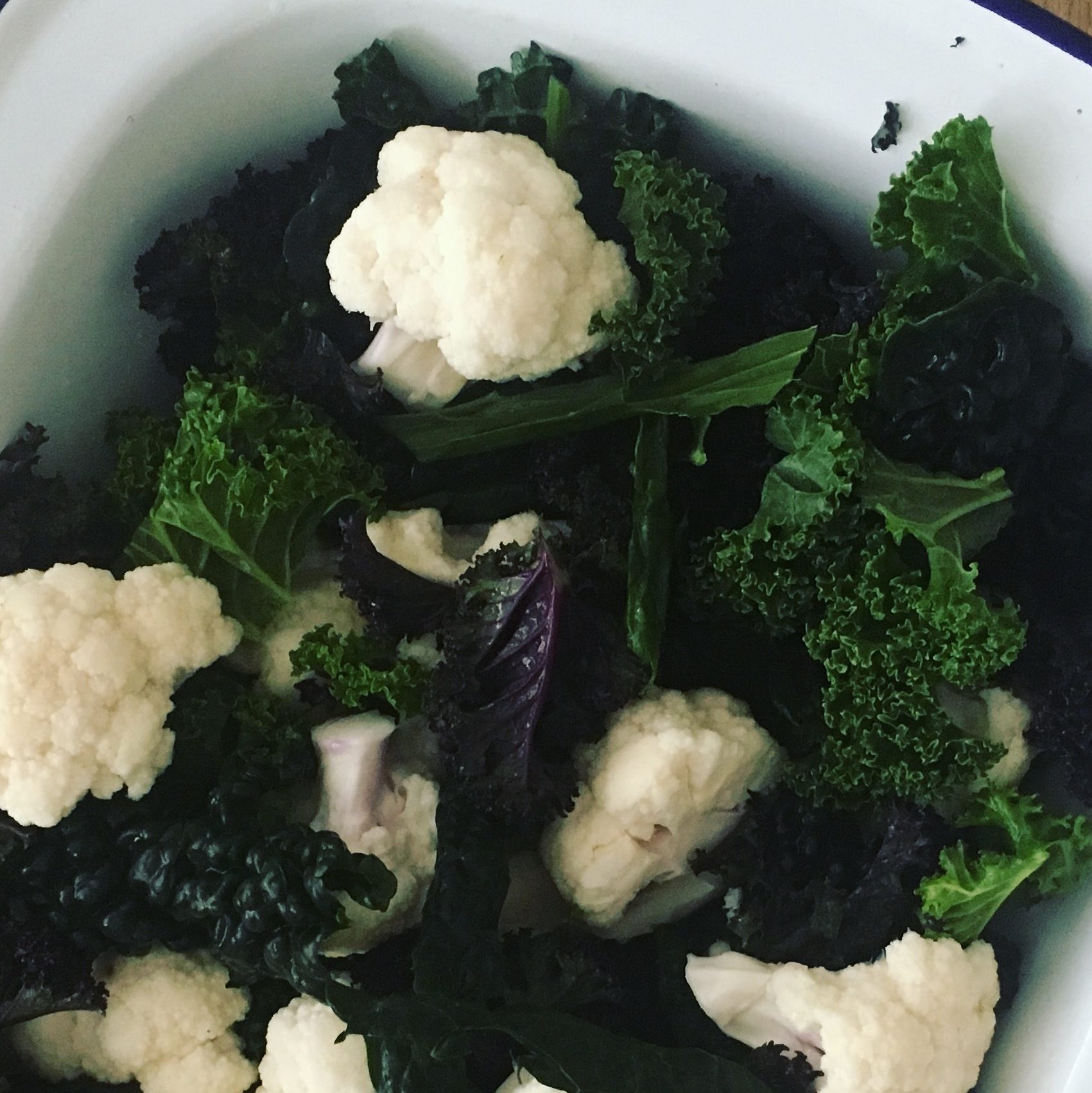
As I reached into the fridge for the head of red cabbage for a quick slaw yesterday, a riot of cauliflower, kale, and leeks, all precariously wedged among the milk and yogurt pots for lack of space in the vegetable drawers, tumbled into my hands.
So instead, I made gratin. And on a wet, wintry January evening, it was much the better choice.
The trick with gratin is to not be deterred by making béchamel. It always goes much quicker than I fear. I usually eyeball it. I use a good third of a bar of butter (which would come to about 100 grams), let it melt completely, then add the flour while constantly stirring — a few tablespoons, just enough to absorb all the melted butter. I cook the clumped butter and flour for a minute or two while stirring, before adding the milk. This can be done all at once or little by little, either method works. I usually do it gradually since I don’t measure the ingredients beforehand. As the milk meets the flour/butter mixture it will first stiffen (or become clumpy is adding a lot of milk at once) but whisk briskly and the béchamel will soon become silky. When it reaches the desired consistency, anywhere from lava thick to gravy thin, add a generous pinch of salt, black pepper, nutmeg, and perhaps some grated cheese.
Cauliflower, kale, and leek gratin
1 head of cauliflower 1 bunch of lacinato kale 3 to 4 leeks 1 clove of garlic Butter Salt and freshly ground pepper
For the béchamel: Butter Flour Milk Salt and freshly ground pepper Nutmeg
Grated cheese (gruyère or cheddar or parmiggiano)
Preheat the oven to 175C (350F).
First, make the béchamel:
In a saucepan, melt a large pat of butter completely (I usually use about a 1/3 of a bar, about 100 grams). Stirring constantly, add just enough flour to absorb all the melted butter (a few tablespoons). Cook the clumped butter and flour for a minute or two while still stirring, then start adding milk. The milk can be added all at once or little by little, either methods work. I usually do it gradually since I don’t measure the ingredients beforehand. As the milk meets the flour/butter mixture it will first stiffen (or become clumpy is adding a lot of milk at once) but whisk briskly and the béchamel will soon become silky. When it reaches the desired consistency, anywhere from lava thick to gravy thin, add a generous pinch of salt, black pepper, and lots of nutmeg. Optionally, melt a small handful of grated cheese into the béchamel.
Cut up the cauliflower into small florets and wash in cold water. Trim off the hard stalks of the kale, cut into pieces about 4 to 5 cm (1 1/2 inches) long, wash, and strain as much of the excess water as possible. Trim (top and tail) the leeks, remove the tough outer layer, and slice thinly. Wash in cold water and strain thoroughly.
Rub a large ovenproof dish all over with the (peeled) garlic clove, then butter the dish.
Scatter the vegetables into the dish and toss with a generous pinch of salt and ground black pepper.
Pour the béchamel over the vegetables as evenly as possible, making sure to reach the edges, then cover generously with grated cheese.
Bake in the oven for at least 45 minutes (up to an hour) until brown and bubbly. Let sit for a few minutes before serving.
Yesterday I wrote about some disasters of our Thanksgiving meal, one perfect exception — the stuffing —, and a few other good things. I alluded to a pecan pie, and, despite the photo, quite forgot to mention the cocktail, which we sipped late into the night long after the last guests had left and the dishes were all washed. I am using this as a reminder for next year.
Photo by Thomas
Note number one: Premix the Boulevardiers
When friends arrive mid-afternoon, is it too early to start mixing bourbon? Absolutely not! I hear you whisper, and I am listening. Yet our habitual scenario is to start mildly with beer and wine. Too often we miss the moment. Next time a carafe of Boulevardiers will simply be ready — regardless of Helen Rosner’s injunction to “[not] make this ahead of time; the flavors soften and blur as they rest.” Better a lightly melded cocktail, then none at all.
Boulevardier recipe It is often described as a variation on a negroni — the classic version of which is equal parts gin, sweet vermouth, and Campari — in which the gin is substituted for bourbon or rye whiskey. Many recipes recommend a higher proportion of whiskey.
1 to 2 oz of bourbon or rye — whiskey choice and proportion both according to individual taste 1 oz sweet vermouth 1 oz Campari Orange or lemon peel to garnish
Add all the ingredients (except the peel) to a mixing glass filled with ice. Stir well until chilled.
Strain into a chilled coupe or cocktail glass, or over ice into a rocks glass.
Squeeze and drop the citrus peel into the glass.
Note number two: A very good pecan pie
I was relying on Balthasar to make our best, award-winning pumpkin pie for Thanksgiving. But on Wednesday evening, as we settled into the kitchen — Thomas for his now traditional cranberry curd pie, and I with the intention of gaining a head start on some prep for the next day — Balthasar was nowhere around and the promise of pumpkin pie soon evaporated.
Panic.
Thanksgiving cannot happen without either pumpkin or pecan pie. One may be enough but they cannot both be absent. And pecan is quicker.
After frantically tracing emails back a decade looking for a friend’s mum’s recipe (I didn’t find it), I went straight to Smitten Kitchen — a site I’ve always followed but if I’m honest have only rarely cooked from, though, always, cake! Reliably, I found an ideal recipe.
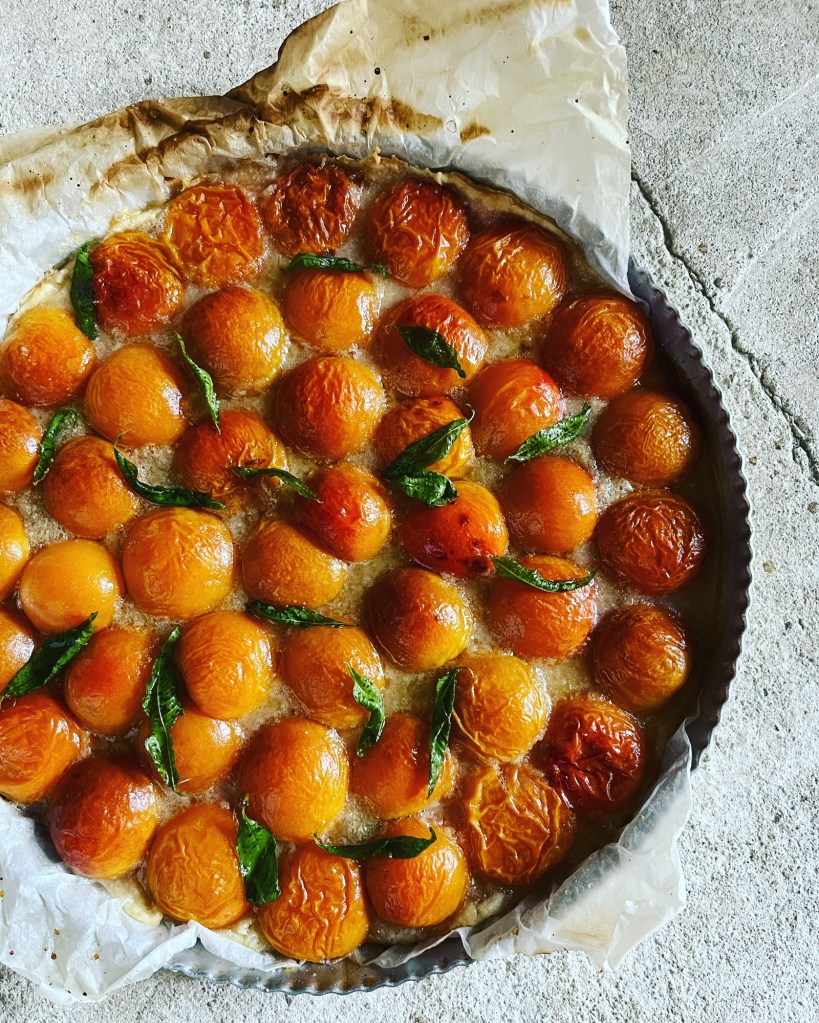
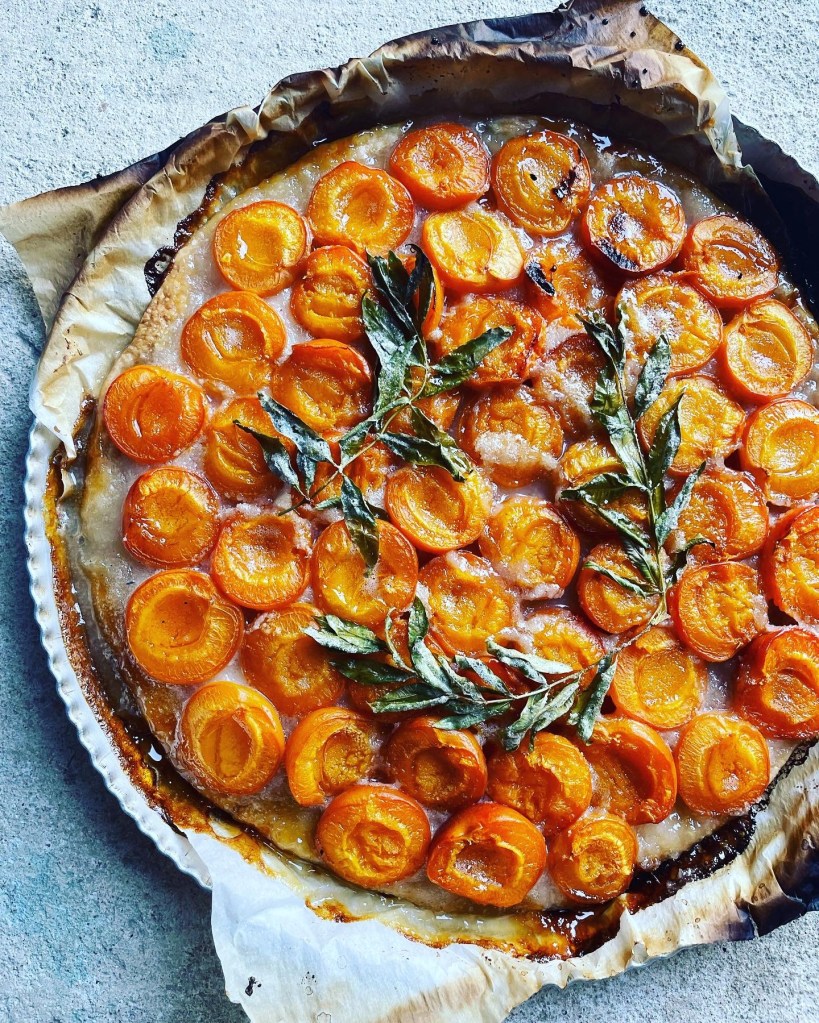
Before landing firmly into September, it’s a look back to the summer and how we eat on holiday. Feasts occasionally, but more often simple food that slots in easily with the holiday mode. Quick lunches, tins of fish, many tomatoes, and plenty of tartes, including this superlative and super easy apricot tarte with a lemon verbena syrup — recipe below.
Apricot tarte with a lemon verbena syrup I love the combination of verbena and apricot. It was a chance improvisation some years ago and I return to it every year. It’s one of my favourite.
All-butter pie crust, either home made or store-bought Ripe apricots, enough to fill the pie when cut in half 200g ground almonds 75g sugar
For the syrup 200g sugar A few sprigs of fresh lemon verbena
Preheat the oven to 175C (350F).
To make the syrup, pour the sugar into a small saucepan with just enough water to wet it completely. Heat until the sugar is entirely dissolved and let simmer for a few minutes. Add the sprigs of lemon verbena to infuse at least 5 minutes.
Meanwhile, assemble the tarte.
Place the pastry in a pie dish (or on a baking sheet lined with parchment paper). Dot the pastry with holes (for example with a fork) so that it doesn’t puff up while baking.
In a medium bowl, mix together the ground almonds and sugar. Cover the pastry with this mixture. Add the washed apricots, cut in half and stoned, onto the almond/sugar mixture.
Carefully drizzle the syrup over the apricots, taking care not to create big puddles. (If you want to decorate the tarte with verbena leaves, first dip them in the syrup so they crystallise while cooking rather than burn.)
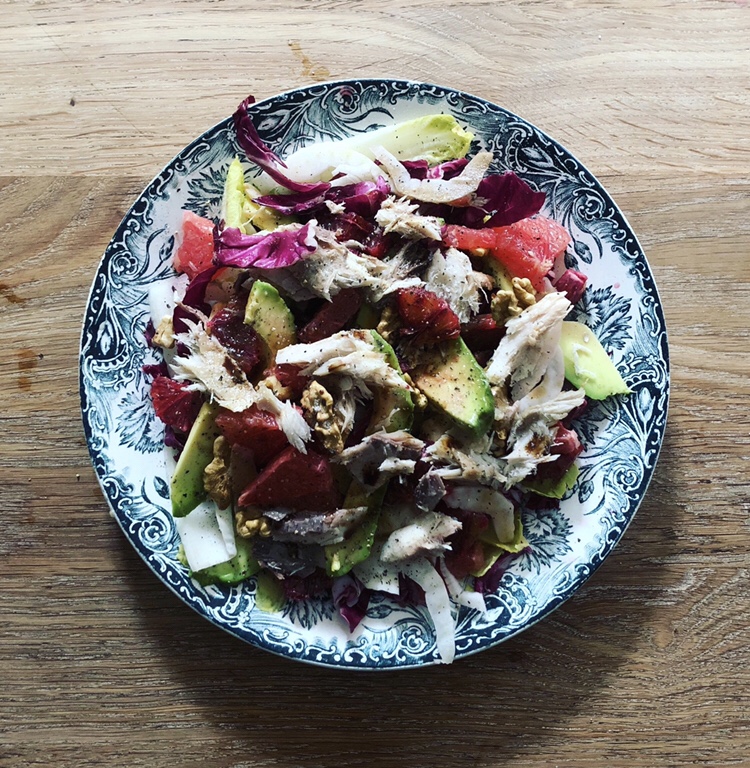
In January, I’ve realised, I often cook by colour. The light is softer then, better. Colours don’t blaze, they gleam, they glow from within. It isn’t that, at other times of the year, colours don’t matter. Perhaps they are less conspicuous, or simply taken for granted!
But the sudden appearance of a fluorescent purple or a tender green against the muted winter grays instantly makes one notice. So at this time of the year, when I choose what to eat, the question is often — what colour is my mood?
Here are some of the dishes I circle back to often, by tone.











 Nettle and Quince