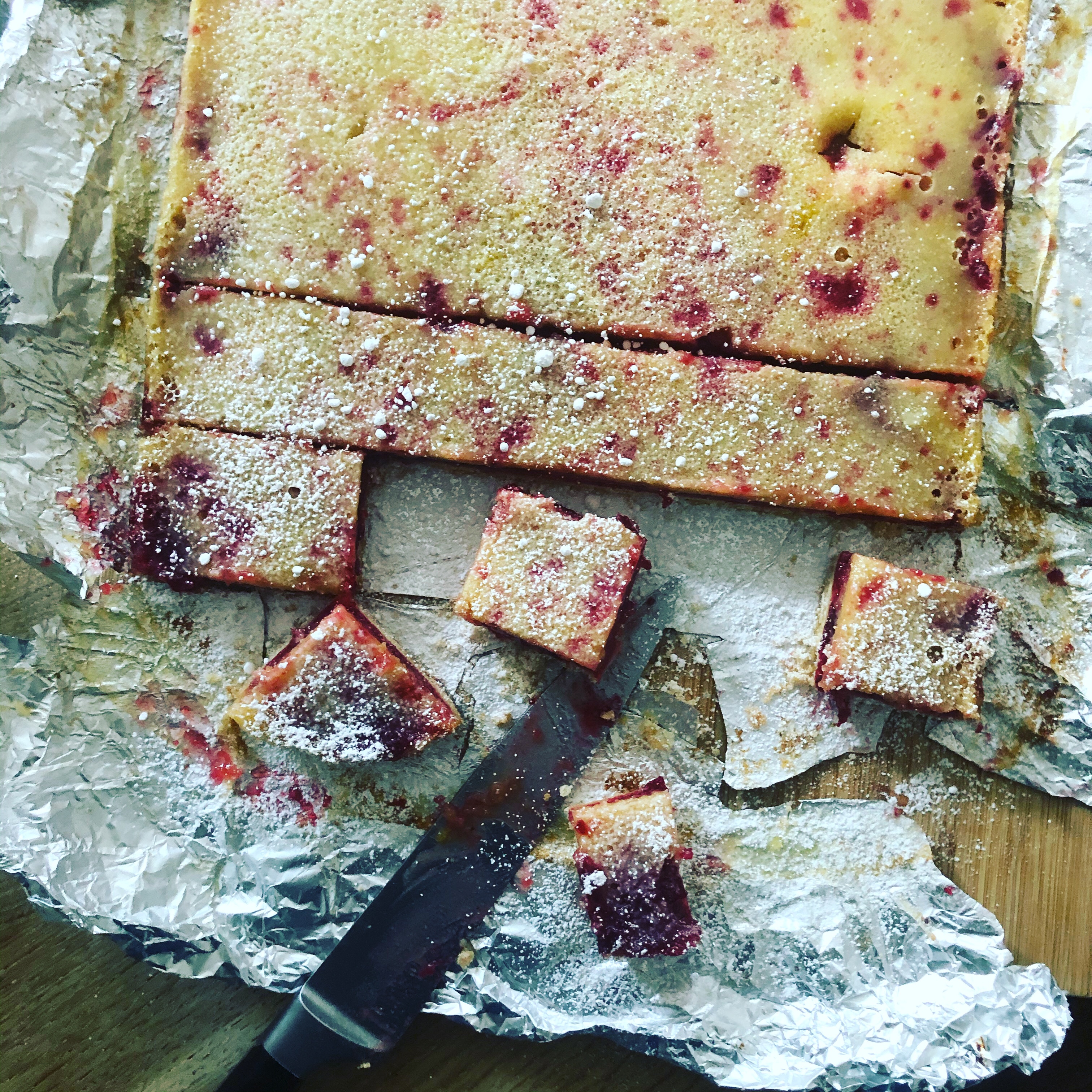
Tahini date banana smoothie

29 December 2020

It is the end of year parenthesis. The time, finally, when it is ok to not cook.

The feeling usually nags on Christmas morning. Usually, so much has happened since the 31st of October — Halloween, Thanksgiving, three birthdays in the mix with one on the 23rd of December (!), each, usually, a celebration here with friends, children, family, dinner, parties, … By the 25th, Christmas lunch is the one meal I never really want to cook. (Of course, we always do.) The moment I look forward to is the parenthesis, the in-between time, when the imperatives have receded and all that is left is a nondescript sluggish present of films, puzzles, games, a walk, or forgetting to go out altogether. Having a smoothie for lunch.

This year the listlessness is different. Every period since March has been a parenthesis. The first ‘lockdown,’ hunkered down patiently until everything, it was said, would get back to normal; Summer, a breath, a change of place, but restricted still, different — another parenthesis. Back to London, back to school, this time we are expecting it, we know things will soon change again. This endless succession of unusual times, slipping from one parenthesis to the next, is what we have become accustomed to. We know not to settle, however uncomfortably, into any status quo. Nonetheless the recent sudden shutdown a few days before Christmas, at the outset of winter, feels particularly disheartening. — I know this, too, will be just another parenthesis.

Or at what point does this become the main text? There is a potent urge to resist it. For now, in the gap, I’ve made myself a smoothie for lunch.
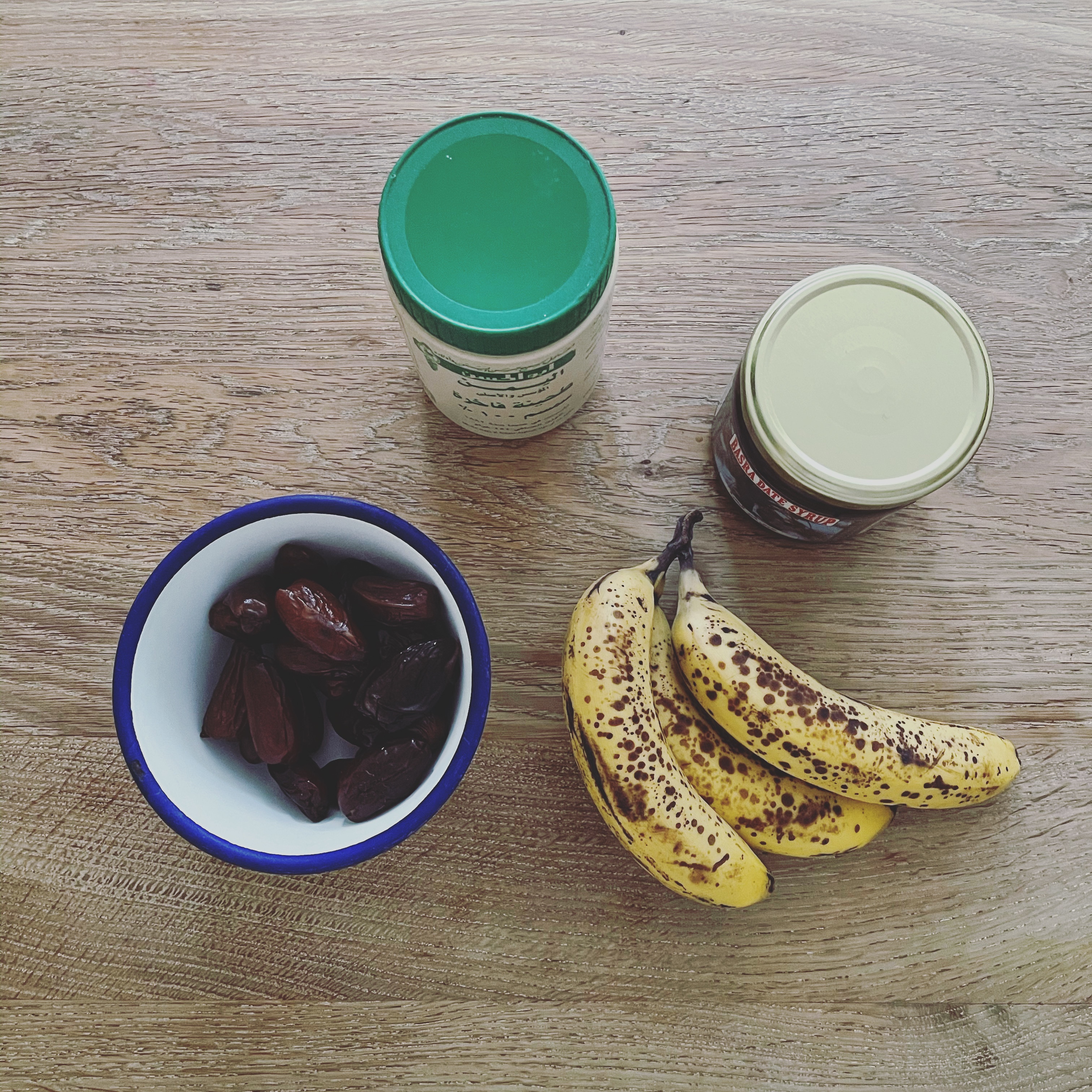
Banana date tahini smoothie
Inspired by a smoothie from The Good Egg in Soho during the minute-and-a-half in December when it was possible to go to an exhibition and have lunch in a restaurant.

Makes two large or three medium smoothies

3 small or 2 large ripe bananas
4 dates
4 Tbsps (100ml or 1/4 cup) light tahini
Juice from 1/2 lemon (more according to taste)
3 Tbsps yogurt
4 ice cubes (optional)
150ml (1/2 cup) milk (oat, almond, or cow)
Drizzle of date syrup (optional)

Cut the bananas and dates roughly into chunks and place in a blender or food processor. Add the tahini, lemon juice, yogurt, and ice cubes (omit the ice if you prefer a very thick smoothie). Start blending and add the milk in gradually. Blend until completely smooth. Taste and add lemon juice as needed.

Serve in a large glass with a drizzle of date syrup if you happen to have some.

Christmas cookies | Basler Brünsli

13 December 2020

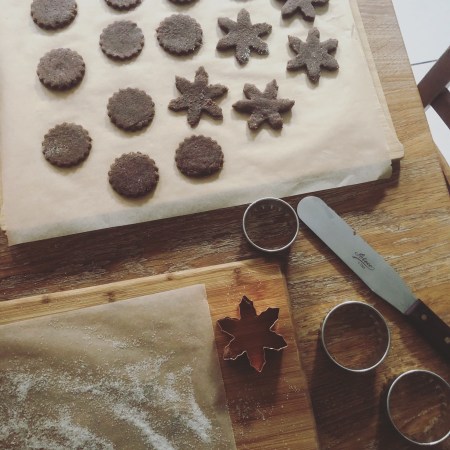
Happy third Sunday of advent! I am, as usual, far behind in Christmas preparations, not least because I intend (yes, still in the present tense, ahem) to make my own advent’s wreath, and because I’ve been baking batches upon batches of these little brown cookies in search of an ideal recipe.

Thankfully, the quest for the prefect Brünsli has been much more successful than the house decorating, and I’ve arrived at a version which in a blind tasting was unanimously voted the best by the family.

It is a collation of three different recipes, one from Saveur, one from the bible Classic German Baking, and, poignantly, my friend’s alsatian family recipe handed down through generations, peppered with comments and advice. There they are called ‘Bruns (de Bâle).’

Brünsli or Bruns mean ‘brownie,’ which refers to the colour of the cookies, imparted by the chocolate, and has no connection whatsoever to brownies.

According to the website Patrimoine Culinaire Suisse, historical references to ‘Brünsli’ date back to at least 1725, where they are mentioned in the account of dishes served at a banquet in Winterthur, and while Brünsli are now ubiquitous throughout Switzerland, a significant number of sources throughout the nineteenth and early twentieth century link them expressly to the city of Basel.

The basic components of Brünsli are egg whites, sugar, chocolate, and nuts — nowadays essentially almonds, but historically also hazelnuts or walnuts. They are naturally gluten- and dairy-free. Some just have cinnamon and I like them with a hefty note of cloves too.

Basler Brünsli
Incidentally gluten- and dairy-free

Makes about 4 dozen cookies

250g (9 oz.) whole blanched almonds
250g (1 1/3 cup) sugar, plus more for rolling
125g (4.4 oz.) 70% chocolate, chopped
tsp ground cinnamon
½ tsp ground cloves
2 Tbsps Kirsch
2 egg whites

Grind the almonds together with the sugar in a food processor until the almonds are finely ground. Add the (pre-chopped) chocolate and pulse until it is finely ground too. Transfer this almond/sugar/chocolate to a large bowl and stir in the cinnamon, cloves, and Kirsch, mixing well with a wooden spoon.

Beat the egg whites until stiff, then incorporate gently but thoroughly so that the entire dough becomes wet and comes together as one mass. Roughly shape the dough into a flat oval, cover with parchment paper, and transfer to the fridge for at least two hours (and up to one day).

To roll out the dough, sprinkle the workspace generously with sugar, transfer the dough onto the sugar, sprinkle it with a little more sugar and lay a piece of parchment paper over the dough. Roll out the dough through the parchment to about 1/2 cm (1/4 inch) thickness. Cut out the cookies with shaped cutters; transfer them to parchment-paper—lined baking sheets, spacing the cookies 1 cm (1/2 inch) apart (the cookies don’t expand much when baking). Re-roll the scraps and repeat.

Let the cookies dry for 3 hours.

When ready to bake, heat the oven to 150°C (300°F). Bake until the cookies are slightly puffed, just 12 to 14 minutes (the cookies will feel soft; the outside hardens when they cool and the inside should stay chewy). Let cool completely and store in tin boxes lined with parchment paper. The cookies get better after a couple of days and keep well for a few weeks.

Any-which-way broth

10 December 2020

Rather than a recipe this is a reminder, a reminder that broth needs no recipe. In winter I make broth as frequently as possible, and every variation depends on the circumstances.

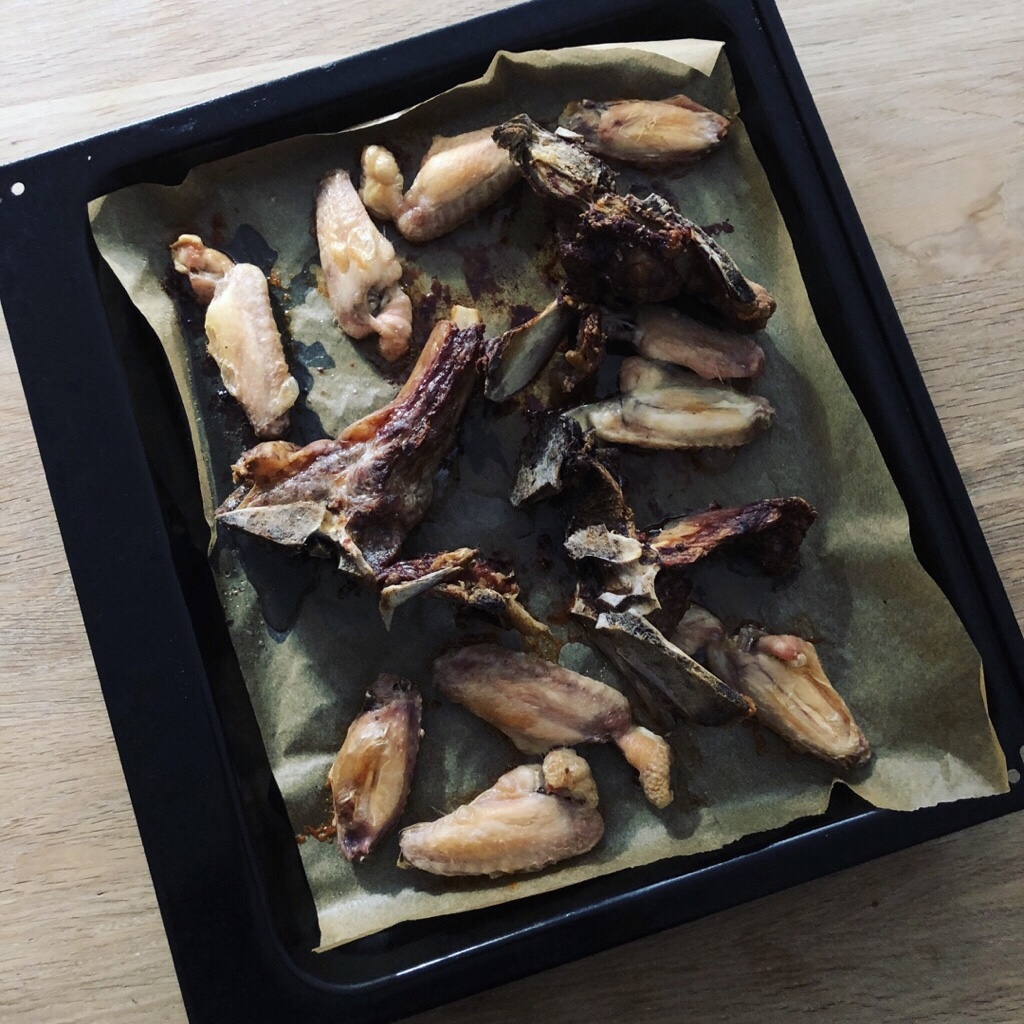
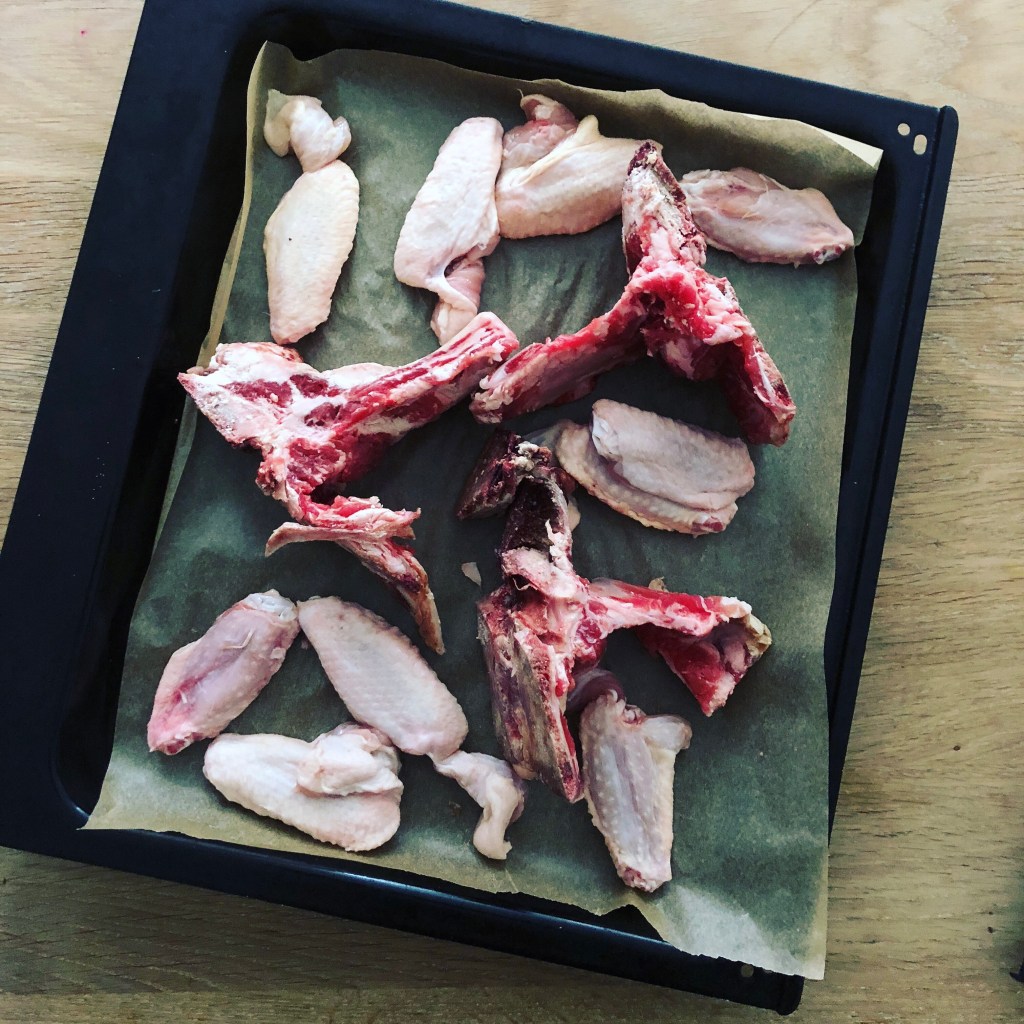
Sometimes, I plan ahead and buy beef bones and chicken carcasses at the butcher’s. If there is time, or if I intend to make pho, I might grill the bones in the oven first, with some halved onions and pieces of ginger.

I might add bay leaves or garlic cloves, celery stalks and peppercorns; always some acidity.

Sometimes, all it takes are some leftover chicken bones, from a whole chicken or just legs, covered with water and a few glugs of vinegar.

In most cases I let the broth cook for hours, sometimes days — I turn it off overnight and light the flame again in the morning, the pot often still warm. The length of time I let it cook has usually more to do with my availability to strain and store it, before which the broth needs a few hours to cool completely.

Once broth is in the house, any combination of vegetables becomes soup in one fell swoop and our favourite winter dinner: soup with bread and any combination cheeses, ham, saucisson, smoked mackerel, pickled herring, … — our winter version of Abendbrot. Occasionally there is purpose, as for pho or ramen, and the broth becomes the star. It can, at times, be an excuse for risotto. But often broth is just an intention, a promise, an investment. Hopefully, I never open a freezer empty of broth.

No recipe broth

Bones — chicken and/or beef. They can be raw, roasted specially, or leftover from another meal (leftover bones keep in the fridge no longer than 2 days, but can be stored in the freezer in a ziplock bag until needed).

Acidity — cider or red wine vinegar, or lemon juice, a large glug equivalent to a few of tablespoons

Aromatics — black peppercorns (a small handful), bay leaves, onions (skin on), unpeeled garlic, slices of ginger or fresh turmeric root, celery stalks, …

Salt — I usually salt the broth later when I want to use it, but salt can be added before cooking.

Place the bones in a large pot. Cover with cold water. Add acidity and aromatics as inspired. Bring to a boil and then simmer very gently for at least 2 hours and up to a couple of days, checking on the water level regularly and adding water as needed (the water does evaporate fairly quickly). I usually turn the broth off overnight or when I need to leave the house, and turn it on again when I can.

When ready, strain the bones and aromatics through a fine-mesh sieve and harvest the broth in a bowl. Let it cool completely before storing in the fridge (no longer than 2 days) or in the freezer.

Cranberry lemon squares for a singular Thanksgiving

26 November 2020

This year I wasn’t sure about Thanksgiving. Many things felt uncertain just a few weeks ago, and wouldn’t a celebration without friends bring more acutely to the fore the limitations of these times? Better perhaps to stick our heads into the soggy English soil and push on to Christmas. All around us decorations are already going up.

Impossible. Not with children in the house who have never known a year without turkey, they were appalled. And, things started to look up. First in the news, then on a more personal note. The arc had begun to shift. And who am I to deprive my children of Thanksgiving, especially if they start baking pumpkin pie?

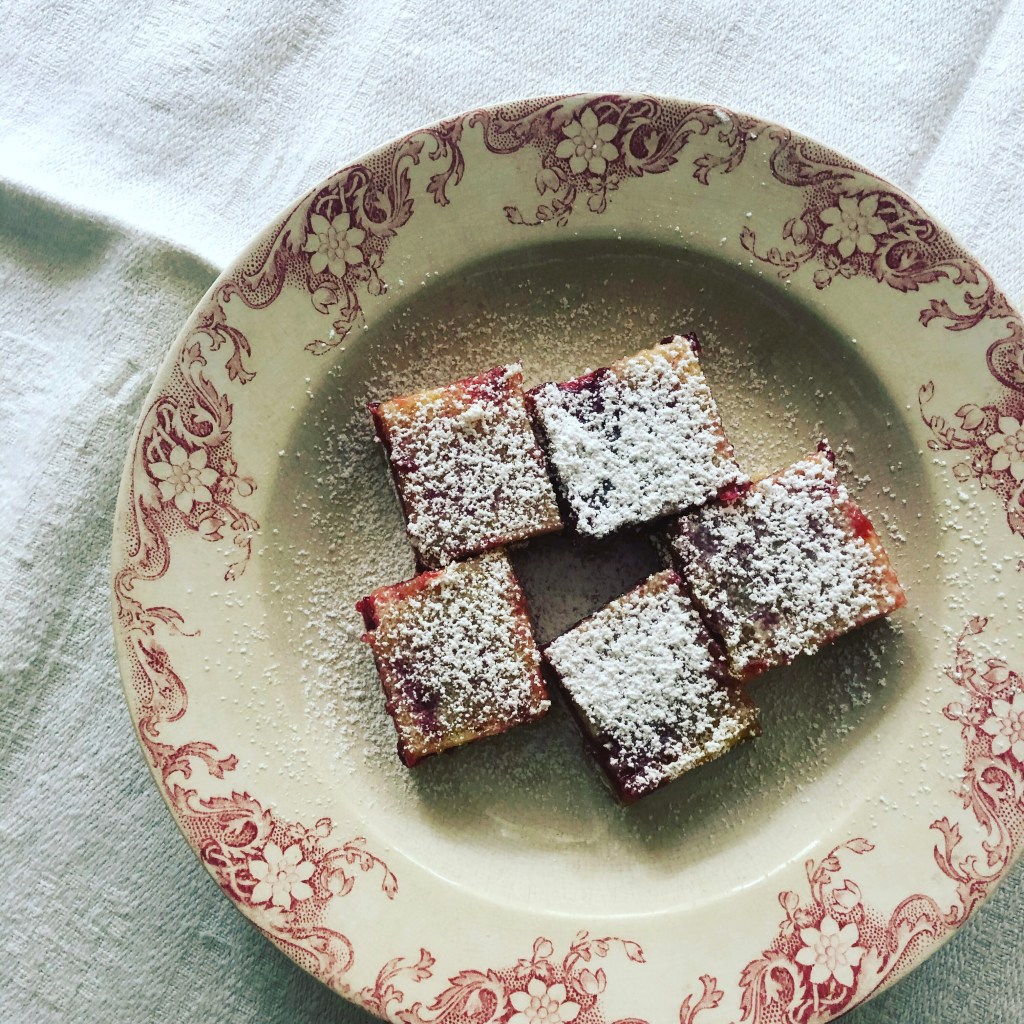
In this singular predicament where less time was needed preparing today, I suddenly had time to bake things, to give to friends. So I made pecan bars, which are probably my favourite and will endure some more tweaking before I’m entirely satisfied. And also these ridiculously delicious Cranberry Lemon Bars. The season will undoubtedly be different, but it stubbornly refuses to be swept under the carpet.

Happy Thanksgiving!

Cranberry lemon squares adapted from the NY Times Genevieve Ko’s Cranberry Lemon Bars
I have slightly modified each component. The shortbread comes from Alice Medrich’s book Chewy Gooey Crispy Crunchy, it has a little bit less butter which, shocking as it may seems, works better here I find. I have increased the quantity of lemon curd, which in the original seemed just barely enough to cover the whole surface. You can find the original recipe here.

Note about the pan size: The quantity fits a 34 x 23cm (13 x 9 in) pan, but any rectangular cake pans or loaf tins can be used — once the shortbread is pressed (as thinly as possible, about 1/2 cm or 1/4 inch thick), if it doesn’t cover the whole surface of the pan just create a ‘rim’ by folding the aluminium foil where the dough ends.

First, make the cranberry sauce

340g cranberries
150g sugar
150ml (2/3 cup) water
Zest from 2 lemons

Wash and pick through the cranberries to remove any soft or discoloured ones. In a medium saucepan, mix the cranberries, sugar, water, and lemon zest and bring to a boil. Cook over a medium flame for about 10 minutes, until the cranberries burst and take on the consistency of jam. Remove from the heat and set aside.

Now prepare the shortbread
(Note: this shortbread is different to the one in the original recipe)

250g butter (+ plus a small knob for buttering the pan)
100g sugar
1 tsp vanilla extract
1/4 tsp salt
310g flour

Preheat the oven to 175°C (350°F) and position the rack in the lower third of the oven.

Melt all the butter and let it cool slightly.

Meanwhile, line a high rim 34 x 23cm (13 x 9 in) pan with aluminum foil and brush it generously with some of the melted butter, making sure to go up the sides.

In a medium bowl, mix the warm butter with the sugar, vanilla, and salt until the melted butter has been completely incorporated. Add the flour and mix just enough to combine into a smooth dough (it will be quite soft and oily).

Press the dough into the prepared pan to achieve a smooth, even layer as thin as possible, about 1/2 cm (1/4 inch) thick.

Bake for 16 to 18 minutes, until the sides barely start to turn golden.

Meanwhile, prepare the lemon layer

260g caster sugar
30g flour
Pinch of sea salt
4 eggs
200ml lemon juice (using the zested lemons plus 1 or 2 besides)
Icing sugar for dusting (optional)

In a medium bowl, whisk together the sugar, flour, and salt. Add the eggs and stir gently to combine without over-whisking. Finally, gently whisk in the lemon juice until smooth.

Let the shortbread cool for about 5 minutes and spread the cranberry sauce over it in an even layer. Carefully pour the lemon mixture over the cranberries. Return to the oven and bake for 18 to 20 minutes, until the top layer is set (it shouldn’t jiggle).

Let cool completely then place the tray in the refrigerator for at least two hours until cold and set. Slice into bite-size squares and, if desired, dust with icing sugar before serving.

Leek and lemongrass trout

19 November 2020

Saturday came on the heels of a rather glum Friday when our predicament and the ever-encroaching mid-afternoon twilight seemed to suck most of the bounce out of my step. In which moment it is good to spend most of the drizzly weekend day on the sofa finishing a book.

When, wholly unexpectedly, a friend drops by unannounced bearing an enormous trout that he just caught in Walthamstow reservoirs. The mood was lastingly shifted. It’s ok to wallow for a day; tomorrow, often, things will look up!

Leek and lemongrass trout

One or two trout(s) depending on the size
4 leeks
5 or 6 spring onions
2 lemongrass stalks
1 or 2 fresh chillis
Half a lime
A small piece of ginger
Sunflower oil
Rice wine vinegar
Light soy sauce

Preheat the oven to 200°C (400°F).

To gut the trout (unless the fishmonger has done it), cut a slit through half of the fish’s belly up to its head and pull out all the insides.

To prepare the leeks: cut off the ends, remove any tough outer leaves, wash any obvious soil/grit, then slice very thinly and wash again in a bowl of cold water. Drain well.

To prepare the spring onions: cut off the ends and remove the outer layer of green. Rinse briefly under running water. Slice the stalks at a slant into disks. Use the same method to prepare the lemongrass.

Rinse, cut open and remove the seeds, and thinly slice the chillis into rings.

Cut the lime into half moons. Peel and slice the piece of ginger.

Drizzle a little oil all over an oven dish. Scatter the leeks in a long oval where the trout will lie. Toss with about a teaspoon of vinegar and a tablespoon of soya sauce. Place the trout on top of the seasoned leeks. Stuff the trout’s cavity with the lime and ginger. Scatter the lemongrass, spring onions, and chillis over the trout. Drizzle again with about one teaspoon rice vinegar and one tablespoon soya sauce.

Place in the oven and bake for 12 to 20 minutes, depending on the size of the trout(s). (With fish I prefer to be extra careful and err on the side of underbaking, and if necessary putting the fish back into the oven for a few minutes.)

Related post:

Trout in a paper package