Rhubarb raspberry crostata

21 July 2012

I wasn’t going to make this, I admit. I saw the crostata on Lottie + Doof when it was published a few weeks ago and somehow dismissed it, as I might have snubbed a recipe that combines rhubarb and strawberries. In my mind rhubarb is not enhanced by berries of any sort. (Rosemary as a gentle herbal boost, on the other hand, is a different story.)

But I arrived in Brittany in the midst of what everyone claimed to be the worst summer (summer?) in recent memory. I’d already enjoyed a generous dose of sun and heat in New York, so I didn’t mind much, and the terrible weather had brought with it a few perks: still plenty of rhubarb at the market and lots of raspberries in the garden, bravely defying the odds on overgrown bushes left to fend for themselves all year long. (Also elders still in bloom! But more on that later.)

I bought rhubarb, as I always do; eyed the raspberries calling out for prompt picking; and remembered that a friend had recently raved about this crostata. The decision seemed to make itself.

As it turned out, I loved everything about the recipe. The crust is great. The technique of bending it back over the pie so simple and clever. And, well, the combination of rhubarb and raspberry really is well inspired, after all. (I did add a sprig of rosemary to infuse the filling as it was cooking, it was irresistible. Otherwise everything remains pretty much the same.)

The great thing here is that the crust and rolling technique can be used with all kinds of fruit. I imagine peach slices tossed with a little sugar and a few sprigs of thyme simply placed on the crust (uncooked) before baking would be excellent, too.

Recipe by Karen DeMasco in Bon Appétit via Lottie + Doof

For the  crust

1 cup (125 g) white flour

1/2 cup (75 g) whole wheat flour

1 Tbsp sugar

1/2 tsp sea salt

3/4 (170g) cup butter

1 large egg

1 Tbsp whole milk

Keep the butter well chilled.

In a large bowl, combine the flours, sugar, and salt.

Cut the cold butter into cubes, add to the flour mixture, and combine until the dough has the texture of coarse oatmeal.

In a small bowl, whisk the egg and milk to combine well. Add the egg/milk to the flour/butter mixture, and work the dough just enough so that it can be gathered into a ball. If you need a little more moisture (I did), add some water, a few drops at a time, until the dough can be shaped.

Flatten the ball and place in the refrigerator, covered snugly with parchment paper, to rest for at least 1 1/2 hours and up to 2 days.

*

For the filling

1/4 cup (30 g) cornstarch

4 cups (about 500 g) rhubarb

1 pint raspberries

2/3 cup (135 g) sugar

1 sprig rosemary

In a small bowl, dissolve the cornstarch in 3 Tbsps water and set aside.

Wash, peel as necessary, and cut the rhubarb into 1/2 inch (1 cm) pieces. Never wash raspberries but check through them to remove leaves or any damaged berries.

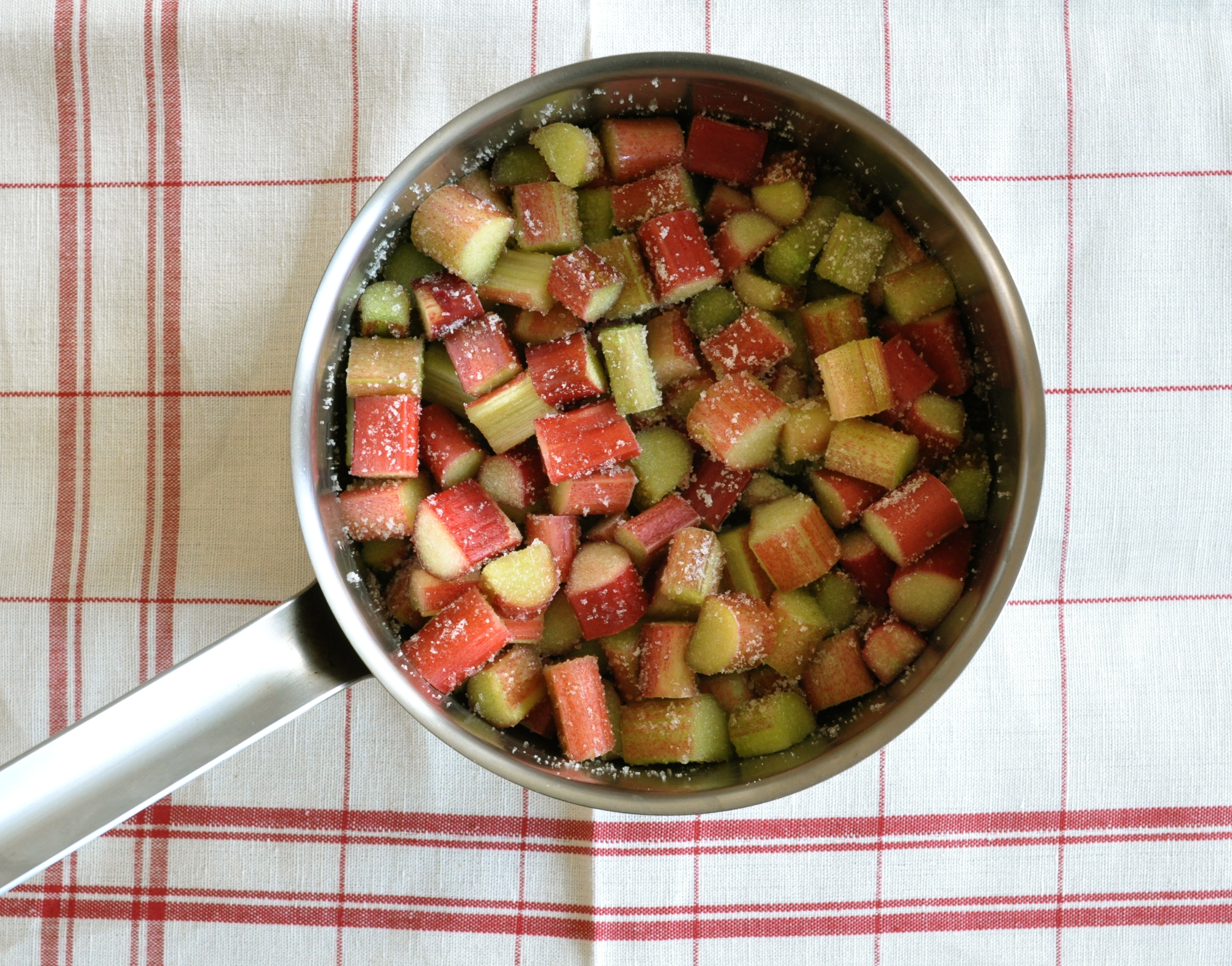
Combine the rhubarb, raspberries, rosemary, and sugar in a large heavy saucepan and cook over medium heat, stirring regularly, until the sugar dissolves and the juices are released, about 4 to 5 minutes. Stir in the diluted cornstarch and bring to a boil, then transfer to a bowl and chill until cool, about 30 minutes. **The rhubarb will not be soft, the slices still intact; it will cook through later as the crostata bakes in the oven.**

*

The crostata

Flour for rolling the dough

1 egg and 1 tsp milk for the egg wash

A little brown sugar for sprinkling on the edges of the crostata

Remove dough from refrigerator and allow about 15 minutes for it to soften with the ambient heat and become easy to handle (but not too much or the dough becomes sticky and difficult to roll).

Preheat oven to 400°F (200°C).

Roll out the dough onto a large piece of floured parchment paper to about 12″ (30 cm), taking good care that it doesn’t stick and adding flour if necessary.

Beat one egg with a tsp milk and brush the crust with the egg wash (this helps seal the crust so the juices from the fruit don’t make it soggy).

Remove the sprig rosemary from the cooled filling and scoop the filling carefully onto the crust, spreading it evenly from the center outward leaving a 2″ (5 cm) border. Gently fold the edges of the dough back over the filling.

Brush the borders with the egg wash and sprinkle with sugar. Slide the parchment paper with the crostata onto a baking sheet, then into the oven and bake until the crust is golden and the filling bubbly, about 45 minutes.

Let the crostata cool. Serve with crème fraîche or whipped cream.

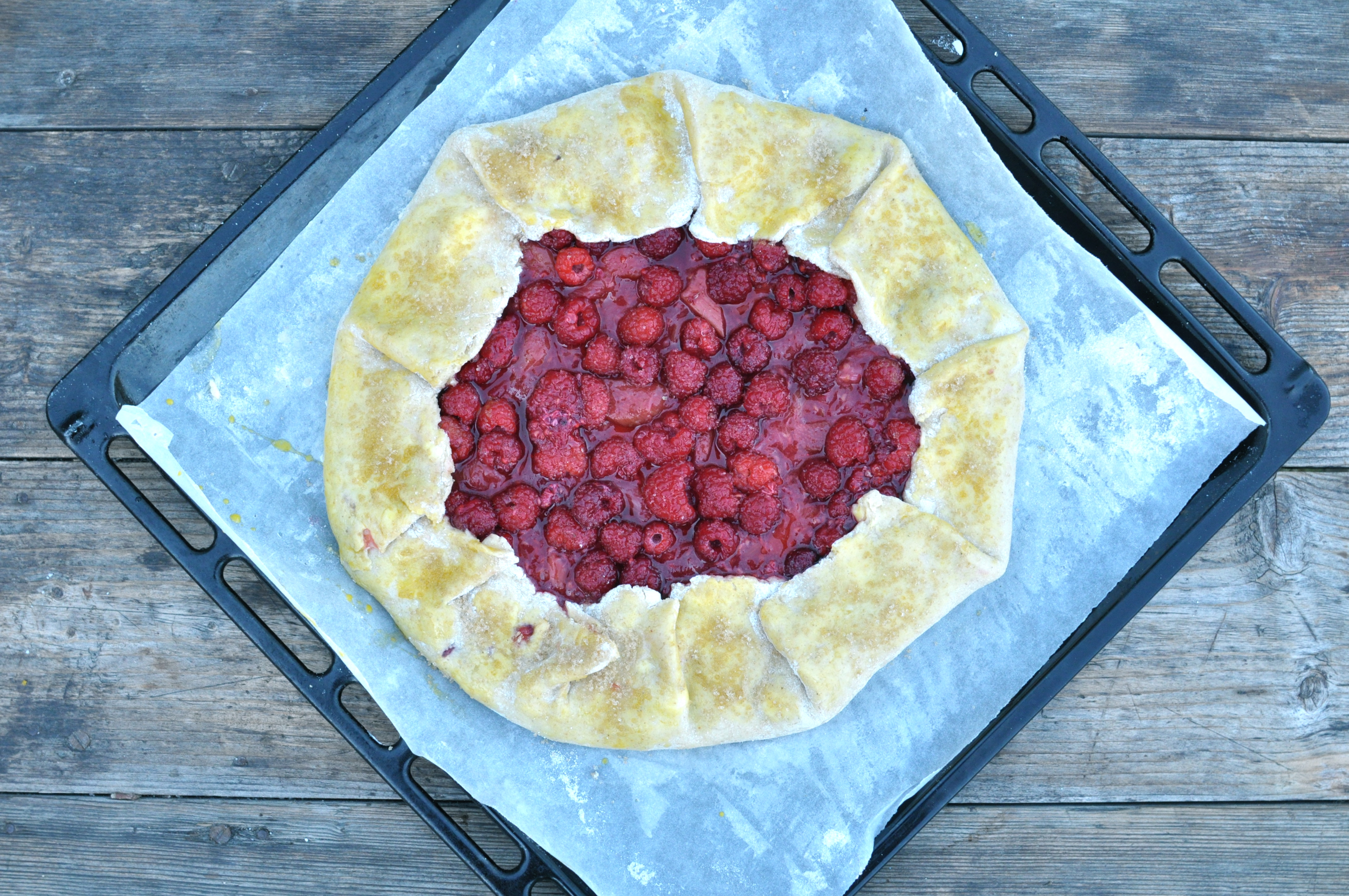
PS: Photos are of the uncooked crostata and here I added a few fresh raspberries just before baking. This is not reflected in the recipe.

Rhubarb rosemary syrup and a gin drink

21 June 2012

The rhubarb rosemary syrup is barely an adaptation of 101 Cookbooks‘ rhubarb rosewater syrup. It is the same recipe, but instead of adding rosewater once the syrup had cooled, I added a sprig of rosemary while it was still warm. I am entirely pleased with the result. I had seen the pairing of rhubarb and rosemary mentioned in a few places, and I love how it brings out rhubarb’s herbaceous edge.

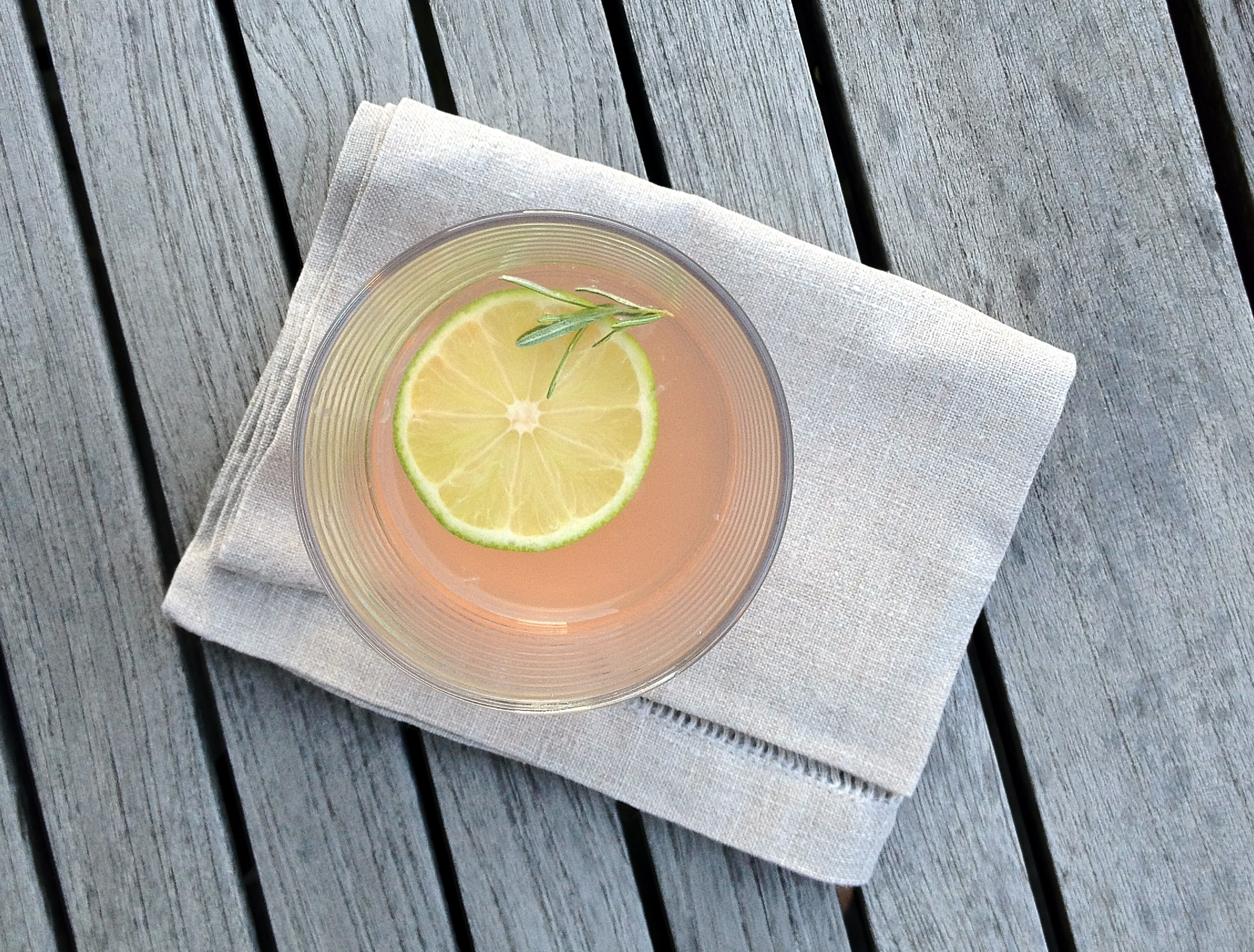
Typically I’ve simply been using a tablespoon of this syrup with sparkling water, a good squeeze of lime, and a few ice cubes. But somewhat uncharacteristically the other day I made a drink. It was a warm evening and I wanted something light and refreshing. Here’s how I made it, on a whim.

2 tsps rhubarb rosemary syrup (recipe from 101 Cookbooks, I just substituted rosewater with a sprig of rosemary)

2 ounces gin

1 ounce rosé

A dash of sparkling water

A squeeze of lime (to taste) and one slice

A sprig of rosemary

The slice of lime and sprig of rosemary ‘garnish’ are important to add a little more edge against the sweetness of the syrup and wine. I added a few ice cubes but took them out fairly quickly as they were melting too fast and I didn’t want them to water down the drink too much (using one larger ice cube would do the trick).

Cheers!

*

Related posts

At the market | Rhubarb

Rhubarb ice cream

Spelt buckwheat buttermilk pancakes

5 June 2012

I expect everyone has an opinion about pancakes.

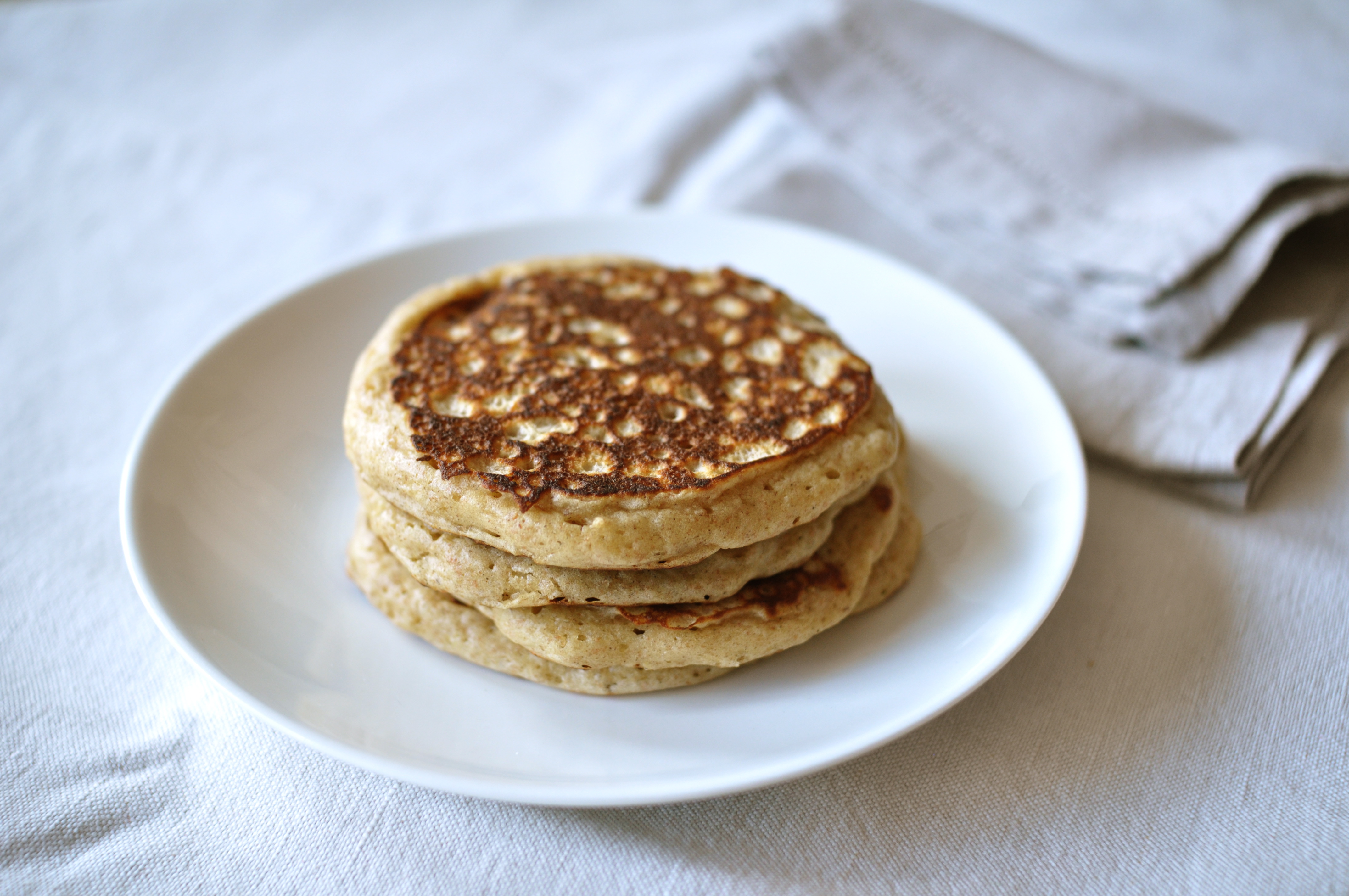
Pancakes must be light and fluffy, of course, but they must have character. I don’t make plain white flour/milk pancakes, if I can help it. Every Sunday (right, every Sunday *on which I make pancakes*), I experiment. Spelt, oat, whole wheat, buckwheat; buttermilk, yogurt, kefir, ricotta; orange and thyme; fruit, nuts, coconut; … . Some improvisations are better than others.

This recipe strikes just the right balance. There isn’t much buckwheat and that’s how it should be. Just a little heft, tempered by the tang of cultured milk.

***

I used white and whole spelt flours though regular wheat flours would also work. The key here is a small proportion of whole grain and a little buckwheat.

4 Tbsps butter

1 1/2 cups (175 g) white spelt flour

1/2 cup (75 g) whole spelt flour

2 heap Tbsps buckwheat flour

2 Tbsps sugar

1 tsp salt

2 tsps baking powder

1 tsp baking soda

2 eggs

2 1/2 cups (600 ml) cultured buttermilk

Coconut oil for the pan (I use coconut oil to cook pancakes. It works perfectly because it doesn’t burn.)

*

Melt the butter and let cool to room temperature.

Into a large bowl, sift the flours together with the sugar, salt, baking powder, and baking soda.

In another, smaller bowl, beat the eggs well with the fork before adding just 2 cups (500ml) of the buttermilk and finally the melted butter. (Add the rest of the buttermilk only if the batter is too thick.)

Pour the wet ingredients into the flour mixture, and mix swiftly, just enough to combine completely (a few bumps are nothing to worry about, it is important not to overstir the batter).

Grease griddle (non-stick pan) and place over high heat. Once the griddle is hot, pour little puddles of batter (the size is entirely up to you, but keep in mind that they will expand quite a bit), reduce heat to medium, and stay close, checking constantly until you start noticing bubbles popping up. Turn over the pancakes with a wide spatula and, within barely a minute, the pancake is ready. To make more pancakes, repeat process, adding a little oil every time to make sure they don’t stick.

The pancakes can be kept in a covered pan in a 250°F (120°C) oven for a little while if you want to make all the pancakes first and serve them at once.

*

Related posts

Orange thyme pancakes

Crepes

Banana cake

Cuban bread

Sunday reading, in print | 03.06.2012

3 June 2012

For a couple of years I practically stopped buying cookbooks. I felt I owned quite a few and wanted to get better acquainted with those before acquiring new ones. But recently the temptation has been too great, so I’ve ended the moratorium.

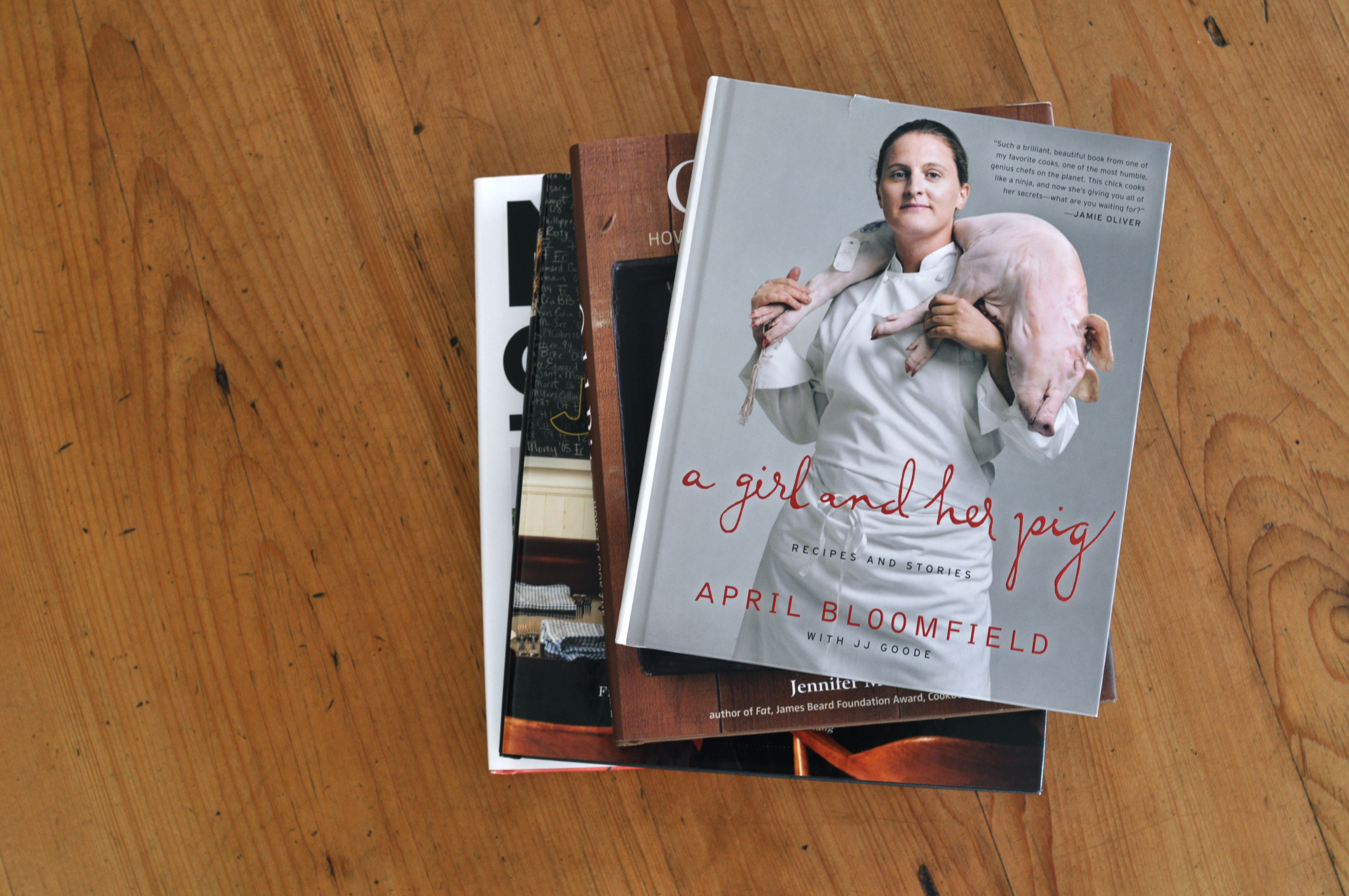
I am hugely excited by April Bloomfield’s A Girl and Her Pig, which I’d awaited impatiently since my first meal at The Spotted Pig quite some years ago. The book lives up to the high expectations. It’s lovely, design and photography wise; it’s personal, from the introduction to the headnotes and of course the recipes themselves. For a mouth-watering preview, check out Lottie + Doof’s timely rendition of the rhubarb fool with cardamom cream, as well as the Amateur Gourmet’s enthusiastic post about curry, which Adam unabashedly calls The Best Curry of Your Life, though, in the book, April simply calls it ‘My Curry.’

Recently, I really enjoyed Joe Beef chefs Frédéric Morin and David McMillan’s interview in Lucky Peach magazine, all the deadpan talk about the grueling and sometimes outright unsavory realities of restaurant life. Had I known about the restaurant when we were in Montréal last summer I would have loved to go, though admittedly, as with another long-coveted Montréal dining experience Au Pied de Cochon, I would probably not have made a reservation in time anyway. For now I have the inspiring cookbook. And I am plotting to go back and be better prepared.

Have I mentioned how much I like Kurt Gutenbrunner’s restaurants? His beautiful recent cookbook includes the most beloved recipes — creamed spinach that is reason alone to go to Blaue Gans, the quark and paprika spread liptauer that should accompany every summer apéritif, gulash for the colder months… — but also unexpected stunners: ramp spaetzle! It is high time to acquire a spaetzle hobel.

And a happy surprise arrived right around my birthday a couple of months ago when my mother sent me Jennifer McLagan’s Odd Bits: How To Cook the Rest of the Animal. As the name clearly states, it’s all about cooking cheeks and tripe and brain and kidneys and such. Brilliant. Especially since a very real butcher recently opened very near us, one that receives entire carcasses and cuts them up right in front of you, tongue, head, trotters, and all. A truly accessible world of nose to tail eating lies ahead.

Happy Sunday!

*

Related posts

Sunday reading | 15.04.2012

Sunday reading | 26.02.2012

Sunday reading | 12.02.2012

Spaghetti with ramp pesto, walnuts, and parmigiano

29 May 2012

Coming home from a few lovely days in the country /
The heavy air washes away the weekend breeze /
There’s not much in the kitchen /
Some ramp pesto squirreled away in the freezer /
A few walnuts cracked /
Spaghetti and parmigiano always in the house /
Rosé /
Home. It doesn’t take much.

***

I was lucky enough to have ramp pesto left in the freezer, but this works perfectly well with traditional basil or any other pesto. I always buy fresh pesto (in the refrigerated section) rather than the jarred long-conservation kind, and store it in the freezer so there is always pesto in the house.

Spaghetti, 100g per person

Ramp pesto, one generous tablespoon per person

Walnuts

Wedge of parmigiano (not grated)

*

Bring a large pot of well salted water to boil. Coarse sea salt works well for this; the water should be as salty as sea water.

In a small saucepan, gently heat the ramp pesto until it is warm but not hot.

Crack the walnuts.

Using a vegetable peeler, cut the parmigiano into thin shavings .

Once the water boils, carefully slide in the spaghetti. Cook in a heavy boil. Start checking the pasta regularly after about 8 minutes (by carefully taking one out and eating it). Drain quickly in a colander as soon as the pasta is just al dente (or to desired consistency) and return immediately to the pot used for boiling the pasta (one could use another pot but it’s much simpler this way). **It is important not to overdrain the pasta. If it is too dry it will become sticky.** Quickly drizzle generously with good olive oil so the pasta doesn’t stick.

Stir in the pesto and combine well. Plate the pasta, add the walnuts and parmigiano on each plate individually. Eat.

*

Related posts

At the market | Ramps (ramp pesto)

Spaghetti with cherry tomatoes, mozarella, and basil