Essential slow-cooked lamb shanks

15 November 2013

photo(11)

Some recipes are indispensable; these lamb shanks are of that breed. Incredibly good and remarkably easy. I simplified the original recipe slightly (not that it was complicated to begin with), and it could be further modified and adapted without much risk. This isn’t high flying patisserie, it’s a simple home-cooked dinner.

For another occasion I may take it up a notch as per the original recipe, by first rolling the shanks in finely chopped rosemary, crushed coriander seeds, dried chilli, and a spoonful of flour before browning the meat. But recently I had no white wine, forgot the anchovies, even the garlic. It was fine. Really good in fact. The dish would live on without the carrots, and might even survive with no tomatoes (compensate with more celery and/or carrots).

The essential elements are: onions and celery, some acidity (wine, vinegar), aromatics (rosemary, oregano, marjoram), and of course the magic of slow cooking. Here I followed the instructions and the result is perfect.

Recipe mildly adapted from Jamie Oliver’s first book The Naked Chef

2 medium-sized onions

5 – 6 ribs celery

1 – 2 carrots

1 – 2 garlic cloves

4 lamb shanks

Sea salt and freshly ground black pepper

Olive oil

2 Tbsps balsamic vinegar

2 Tbsps sherry or good wine vinegar

3/4 cup (200 ml) dry white wine

6 anchovy fillets

28 oz. can whole plum tomatoes

1 Tbsp fresh rosemary leaves

1 tsp dried oregano or marjoram

Fresh flat-leaf parsley, basil, or marjoram for serving

Preheat oven to 350°F (175ºC)

Chop the onions, not too finely. Halve lengthwise then slice both the celery and carrots. Finely slice the garlic.

Season the lamb shanks with salt and pepper. Heat a little olive oil in a heavy-bottomed saucepan, brown the shanks on all sides, remove from pot and set aside. Pour out the grease and wipe away any burnt bits.

Pour a little more olive olive into the pot and cook the onion until just starting to turn translucent. Add the celery, carrots, and garlic, season with some salt, and cook for 7-8 minutes until the vegetables being to soften.

Add the vinegars and cook for 1 or 2 minutes. Pour in the white wine and simmer for another couple of minutes.

Meanwhile chop the anchovies, drain the tomatoes and cut them in half lengthwise. Add the anchovies and tomatoes to the pot. Swirl the pan to shake up the flavors and place the lamb shanks snugly on top of the sauce.

Finely chop the rosemary to be sprinkled with the dried oregano (or marjoram) onto the shanks. Put on the lid and place in the oven. After 45 minutes turn the shanks over in the sauce (so that the part that wasn’t submerged now basks in the liquid) and place back into the oven for the another 45 minutes.

Now remove the lid, turn the shanks over once more, and cook for another 1/2 hour. (Altogether the shanks cook for 2 hours: 1 1/2 hours covered, 1/2 hour uncovered.)

Let rest and cool for at least 10 to 15 minutes before serving. Or better yet, let cool completely, refrigerate, and reheat the next day in a 350°F (175ºC) oven for about 20-30 minutes.

Serve over rice, polenta, or mashed potatoes sprinkled generously with chopped fresh herbs.

Travel | The lentils of Castelluccio

13 November 2013

DSC_0624

The best thing I ate in Italy was a bowl of lentil soup. This is not to disparage all the other wonderful, perhaps more refined things we enjoyed there, but this was, quintessentially, a perfect meal.

We went to Umbria this summer to attend the wedding of two very close friends. Many of the guests, like us, took the opportunity to spend a few days or, as we did, a full week in the somewhat remote and very beautiful region.
The festivities were to take place on a Saturday in a small paradise of an agriturismo (farm-hotel) outside Norcia. We’d barely arrived, quite a bit later than planned, on the Friday evening, when we were swept off for an improvised dinner in town with a hodgepodge of guests. We ordered chaotically, dined boisterously, and drove the waiters mad as our posse of children challenged local Italian kids for a football match in the piazza. It was cliché like a recent Woody Allen film, just with many many more children. It was great. I don’t remember what I ate that evening.

DSC_0638DSC_0631

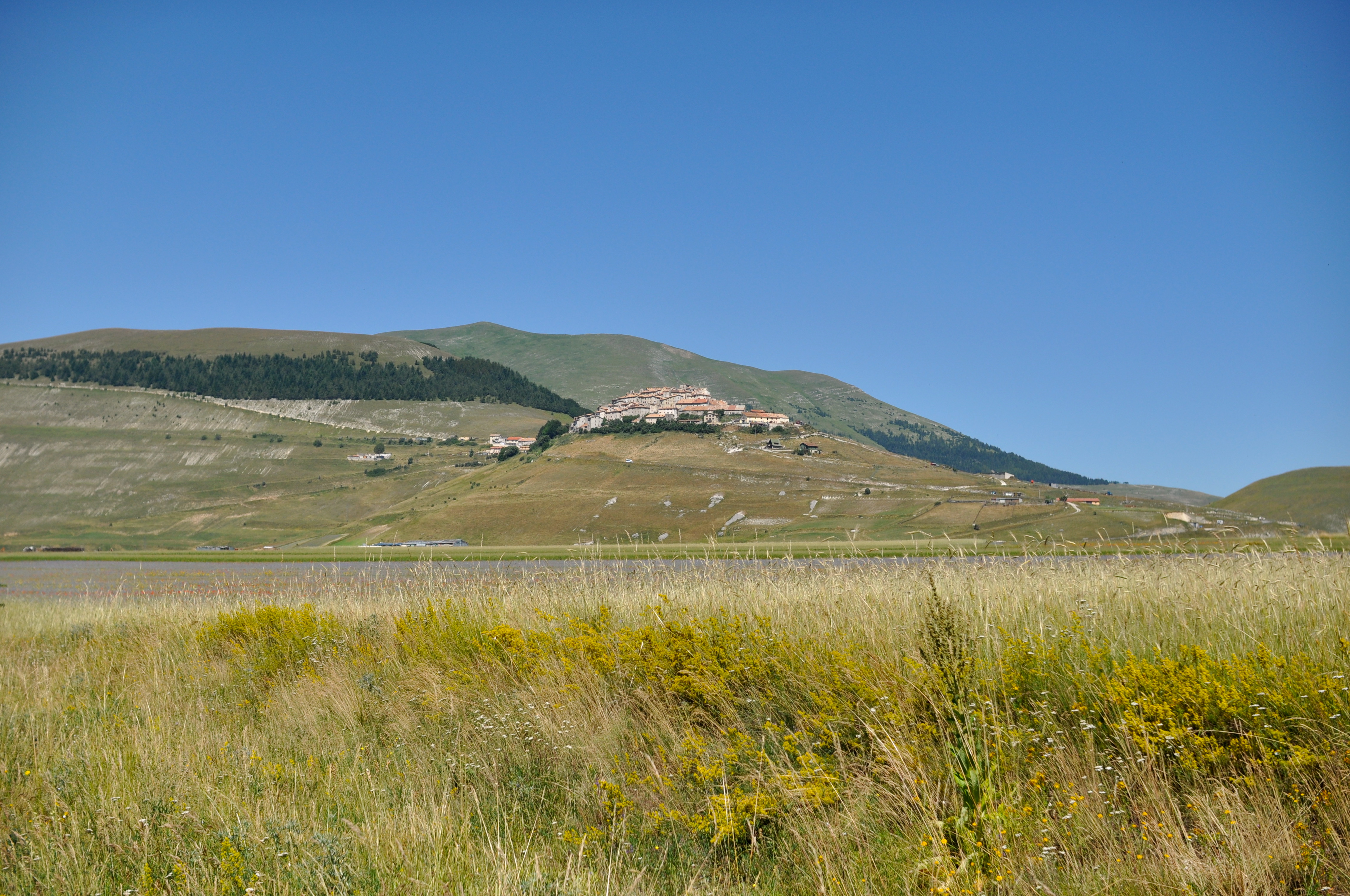
Two days after the wedding the feted couple organized a hike up Monte Vettore, the highest peak of the Sibillini range, the mountains against which Norcia is nestled. The road from Norcia winds up the lush forested mountainside to a crest, which, on the other side, reveals a large, treeless plateau encircled by higher peaks. It’s an unexpected sight. Off in the distance to the North, an earth-toned village perched amid the towering hills presides, alone.

DSC_0629

I didn’t, at first, realize where I was. Not when everyone stopped their cars, awestruck by the symphony of colors, patchworked in neat rectangles all over the valley. Surely they didn’t grow flowers up here? Only when our host explained that the flowers grow wild among the lentils, did it hit me: Castelluccio, of course! I know the lentils of Castelluccio, world famous little pulses often mentioned in the the same breath as French Puy lentils. If I think carefully, I even remember that Simone comes from the region of Castelluccio and some years ago brought us a bag of precious lentils from a home trip. Here we are — amazing!

As I witnessed and have now learned, Castelluccio lentils are grown in this valley without the use of pesticides, using an old tradition of three-year crop rotation alternating lentils, cereals (spelt, barley), and pasture. In 1997 Castellucio received the geographical protection certificate from the European Union. Only lentils marked Lenticchia di Castelluccio di Norcia — IGP (Indicazione Geografica Protetta) are guaranteed to come from this plateau. ‘Norcia’ or ‘Umbrian lentils’ most likely do not.

DSC_0616

But we had a mountain to climb. A veritable caravan set off — adults, children, small children, babies — little groups trickling up the mountain path. Some were faster than others; not everyone made it to the top. For a while I tried to catch up with Leo, who had scampered off with a group of eager mountaineers, but as they receded ever farther up I thought better to wait for those lower down who were carrying Louise. It was a serious hike. A hike where, at some, you stop speaking to your companions for lack of breath. Where your mind starts to wander over the scenery, conjuring up the Mediterranean in the distance. The kind of hike that makes you hungry.

DSC_0655

It feels as though I practically ran down that mountain, even with Louise on my back, as the light deepened, probably because by then I knew what awaited at the ‘merenda’ (afternoon snack) planned in Castelluccio.

We were not the first to arrive, to plonk down wearily on the wooden benches with sprawling views of the valley below, and immediately a large plate of lentil soup arrived. It was very simple, with a half-submerged slice of bread and generous drizzle of olive oil. It tasted, as far as my ravenous palate could tell, mainly and, most deliciously, of lentils. It was probably the best soup I had ever eaten. That first bowl, and a second one, and most of Louise’s as well. The salumi and cheeses that followed are completely forgotten in the shadow of that soup.

Seeing the crops, trudging up Monte Vettore for hours, overlooking the fields and village, before digging into a bowl of soup made of the fruit of this sumptuous valley. That was perfect.

DSC_0633

I asked Simone for his mom’s lentil soup recipe, which she was most kind to share. Here it is, exactly as is. It should resemble very closely the one we had in Castelluccio. Mille grazie!

DSC_0733

“I’m glad to export the recipe for lentils: here is how I do it, but the variations are many.

Ingredients: lentils, celery, carrot, onion, garlic, sausage if you wish. Water: 1 1/4 lt. for 500 gr. of lentils.

Castelluccio lentils do not need preliminary soaking; for other kinds read instructions.

Rinse the lentils thoroughly. Put in a pot with cold water: lentils, onion, celery, carrot and salt. The amount of water must be such as to be absorbed during the cooking and the absorption may be different between the types of lentils; if they are too dry, add more boiling water. Boil over low heat for as long as is recommended by instructions on the package; for those from Castelluccio: 20 to 30 minutes.

After cooking the lentils should not be drained so it is important to measure out the amount of water.

They can be enjoyed with just a dash of olive oil or: put already crumbled sausage in a pan, some clove of peeled garlic, warm up then add the lentils already boiled as described above. Cook for 10 minutes, serve in bowl with lentils over a slice of toasted bread and a drizzle of olive oil. On New Year’s day lentils are served with pig’s feet for good luck. Enjoy your meal!”

DSC_0796

Almond and lemon madeleines with a touch of buckwheat

24 October 2013

DSC_0522

Moving is like a big gust of wind, it shakes things up and clears the air. I’ve always loved that feeling. Thomas likes to tell how I warned him, when I met him, that I didn’t mean to stay in Berlin forever, I was planning to move around. Indeed just a few weeks after our wedding we left for New York. And we got stuck. It happens, apparently.

For many years Berlin remained the city to which we would undoubtedly return. But gradually, imperceptibly, the feeling dissipated, and New York became home. A bit by default, perhaps, though in time it was hard to envisage any other. It happens, evidently.

As our lives became ever more settled, known, easy, the itch for change was more efficiently tempered by the comfort of friends and habit. It required a bit of a leap, or a gentle nudge. The opportunity had to be seized.

Moving is liberating. Liberating from the grip of a pounding, neurotic, fabulous city constantly vying for attention. I always thought the most fascinating thing about New York is its versatility, a place where anyone can find a place and live life singularly. What I didn’t realize was how much the city, with its endless offerings and possibilities, plays a role. New York isn’t just the setting, it is a main character. It’s what makes it so hard to leave, like breaking off a relationship. And New York is the jealous type.

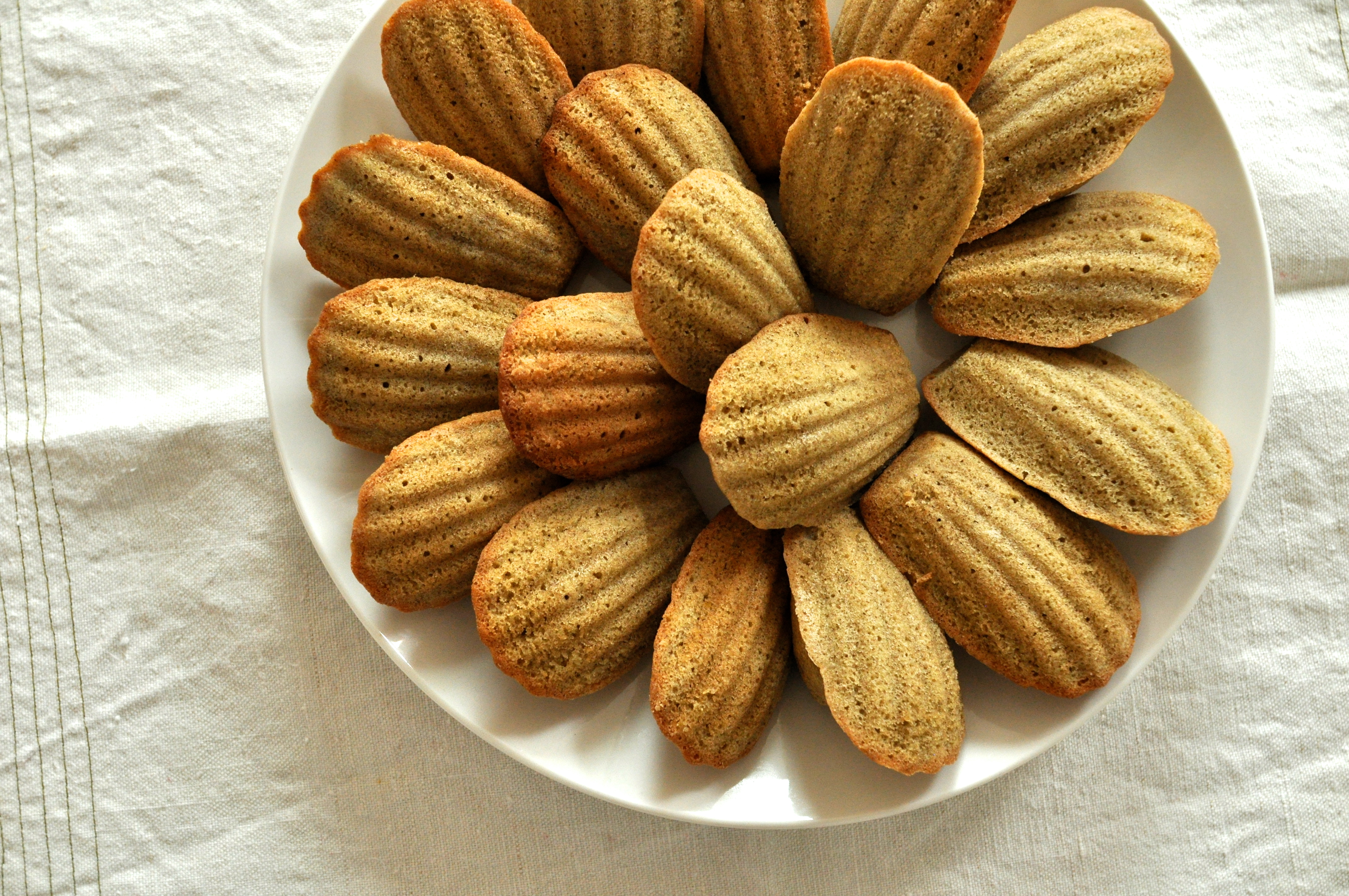
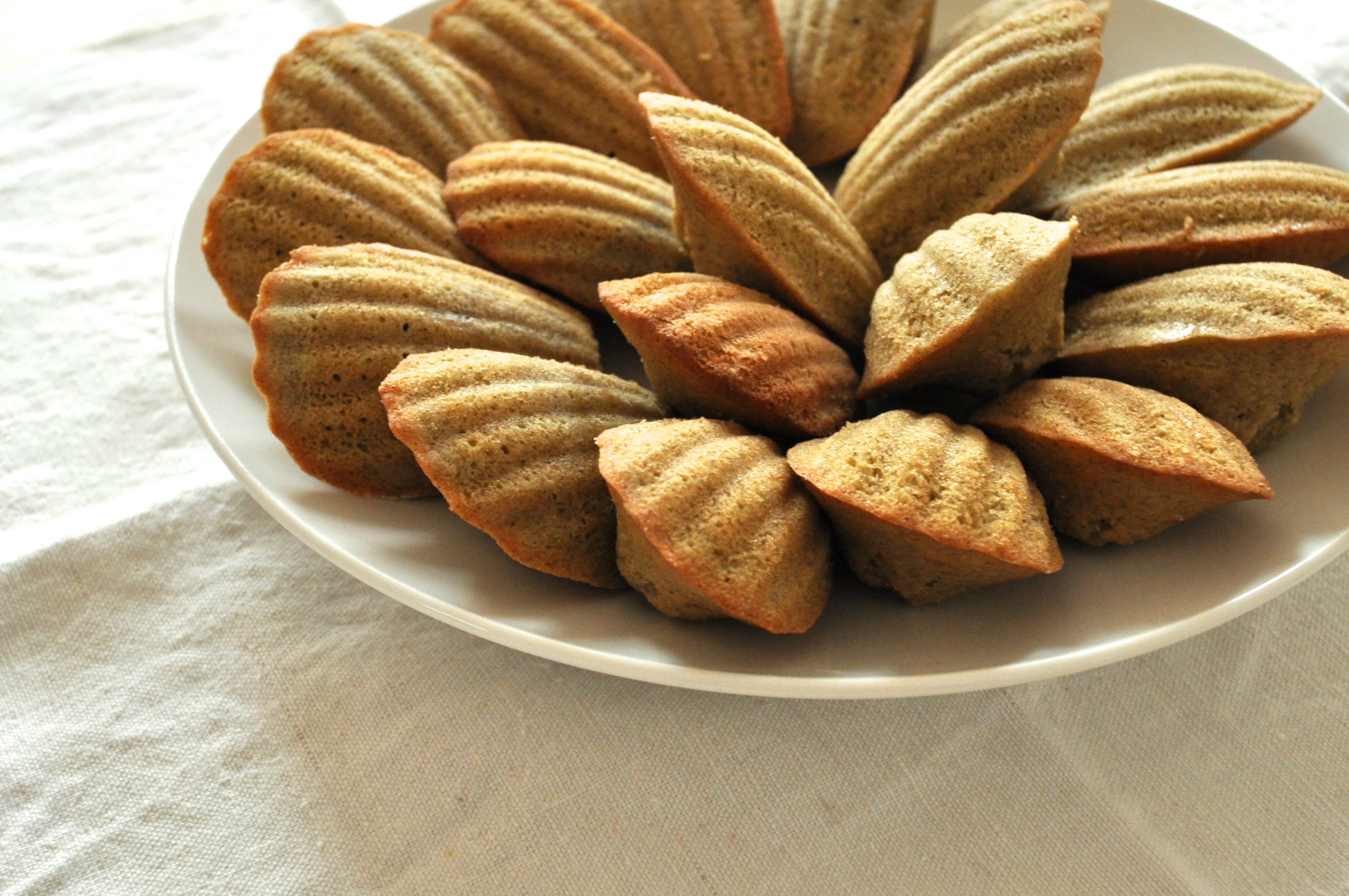
So I made madeleines. I had no Proustian connection but they’ve found a place right where the happy look ahead chases a little heartache. They are not traditional and exactly how I like them.

DSC_0524

From David Lebovitz‘ classic lemon madeleines with just a few substitutions. Makes about 24 madeleines.

Note: Plan ahead as the dough must rest at least one hour. I did use baking powder though there is none in traditional madeleine recipes. Next time I might try without. Resting the dough is crucial for the little humps to form, particularly if the baking powder is omitted.

120 g butter plus a little more (about a tablespoon) for the molds

3 large eggs

130g sugar

Generous pinch of salt

100 g white flour

30 g buckwheat flour

1 tsp baking powder (optional)

45 g almond flour

Zest from 1 lemon

Melt the butter and set aside to cool to room temperature.

Brush the madeleine molds with melted butter, sprinkle a little flour, and tap off excess. Place the dusted molds in the refrigerator.

In a large mixing bowl, whisk the eggs, sugar, and salt for a good 5 minutes until very frothy.

Sift together the white flour, buckwheat flour, and baking powder (if using) into the batter and fold gently with a spatula or wooden spoon. Add the almond flour. Do not overmix.

Add the lemon zest to the cooled butter. Add the butter to the batter a few spoonfuls at a time, folding carefully, Stop as soon as all the butter is incorporated.

Cover the bowl and refrigerate for at least 1 hour and up to 2 days.

When ready to bake the madeleines, preheat the oven to 425° F (120° C) and place the rack in the top third of the oven.

Drop little spoonfuls of batter into each mold, just enough to fill each to 3/4. The batter will be hardened from the refrigerator, so it won’t fill the mold immediately (no need to try to spread it).

Bake for 8 to 9 minutes just until the madeleines start to turn golden. Remove from the oven, let cool a little before removing the madeleines from the molds.

They are best eaten very quickly, but will keep in a glass or metal container for one to two days.

Exciting times. Part III.

17 October 2013

IMG_0761

And here we are!

photo(10)

Much closer to here, actually

photo(5)

Unpacking

IMG_0540

Shopping

IMG_0857

Cooking

IMG_0843

Baking

IMG_0768

Eating at home

IMG_0483

And out

photo(9)

Visiting

photo(7)

Three children in school!

IMG_0686

On sunny afternoons

photo(8)

And rainy mornings

IMG_0970

Sitting in a coffee shop (because we still don’t have internet…), writing. Exciting times.

Exciting times. Part II.

16 October 2013

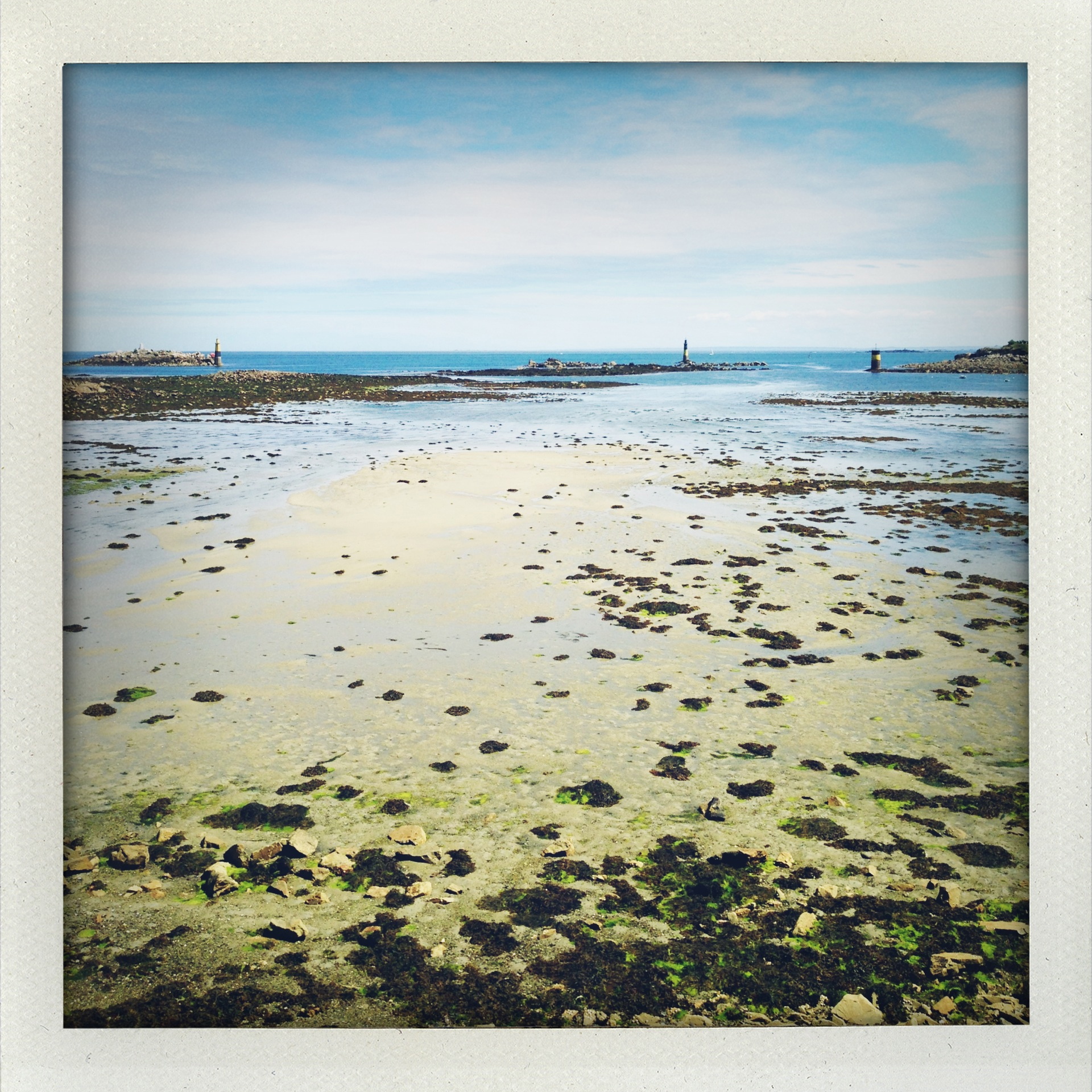
Roscoff, Brittany

The last time I moved across continents I had a three-week-new husband, a few metal trunks, and a couple of suitcases. This time was different. Moving with a full house and three children takes some of the fun out of moving. It dampens the feeling of freedom and endless possibility somewhat. There are schools to contend with, and lots and lots more stuff.

We gave ourselves two weeks to pack up in New York and two weeks in London to get everything sorted and those were four remarkably stressful weeks, but, I have to say, now that all is pretty much settled, in retrospect, it wasn’t all that bad.

Anyway, moving wasn’t going to encroach on our summer vacation, on the contrary, what a perfect opportunity to embark on a giant road trip through Europe. Because, why not?

IMG_9906

First the Eurostar to Brussels to visit family and friends and pick up the children

IMG_9953

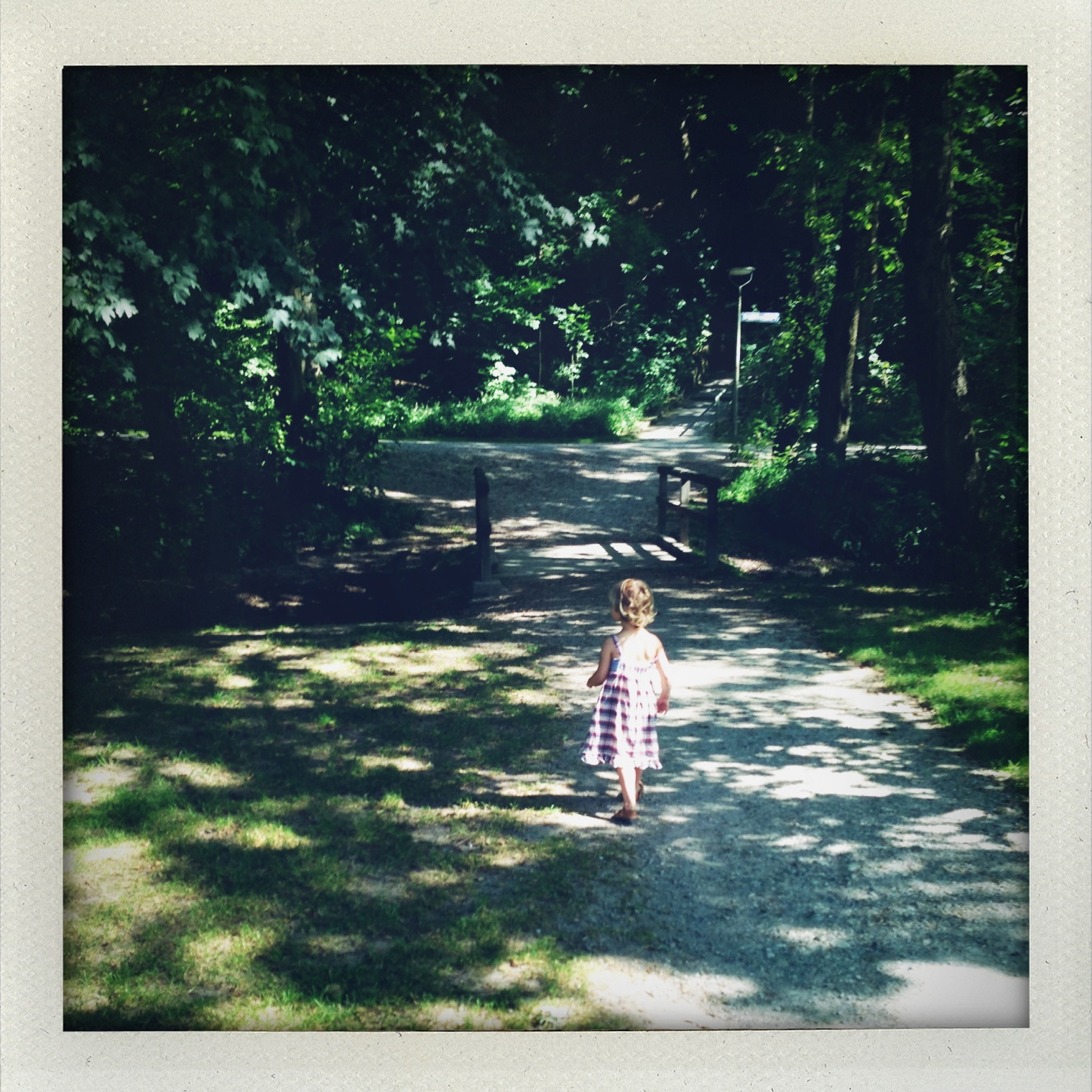
Then a long drive to Munich to visit family and idle away the hours, from Biergarten, to park, to lake, to Biergarten

IMG_0026IMG_9993IMG_0016

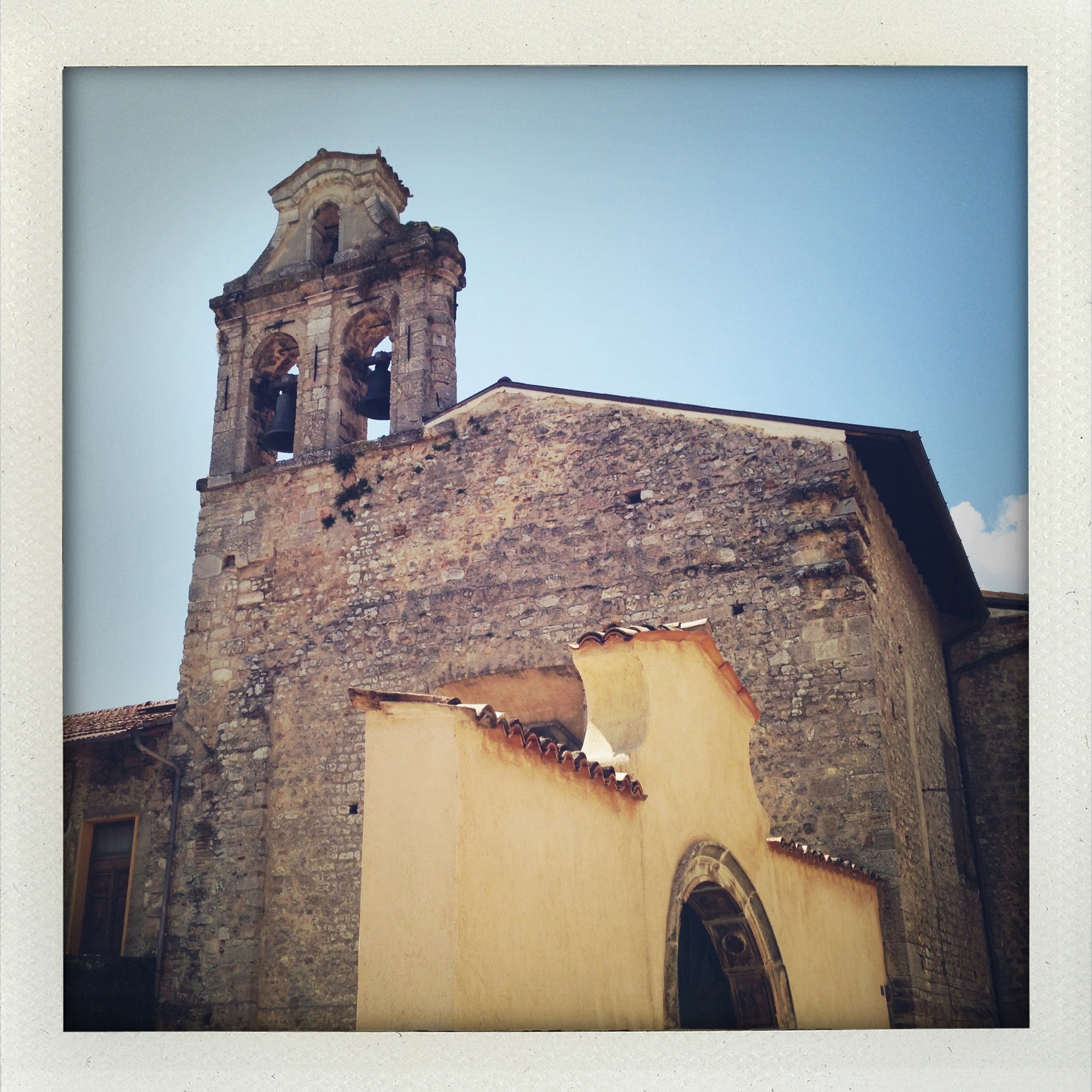
And off to Italy and beautiful Umbria!

IMG_0067photo(1) photo(2)

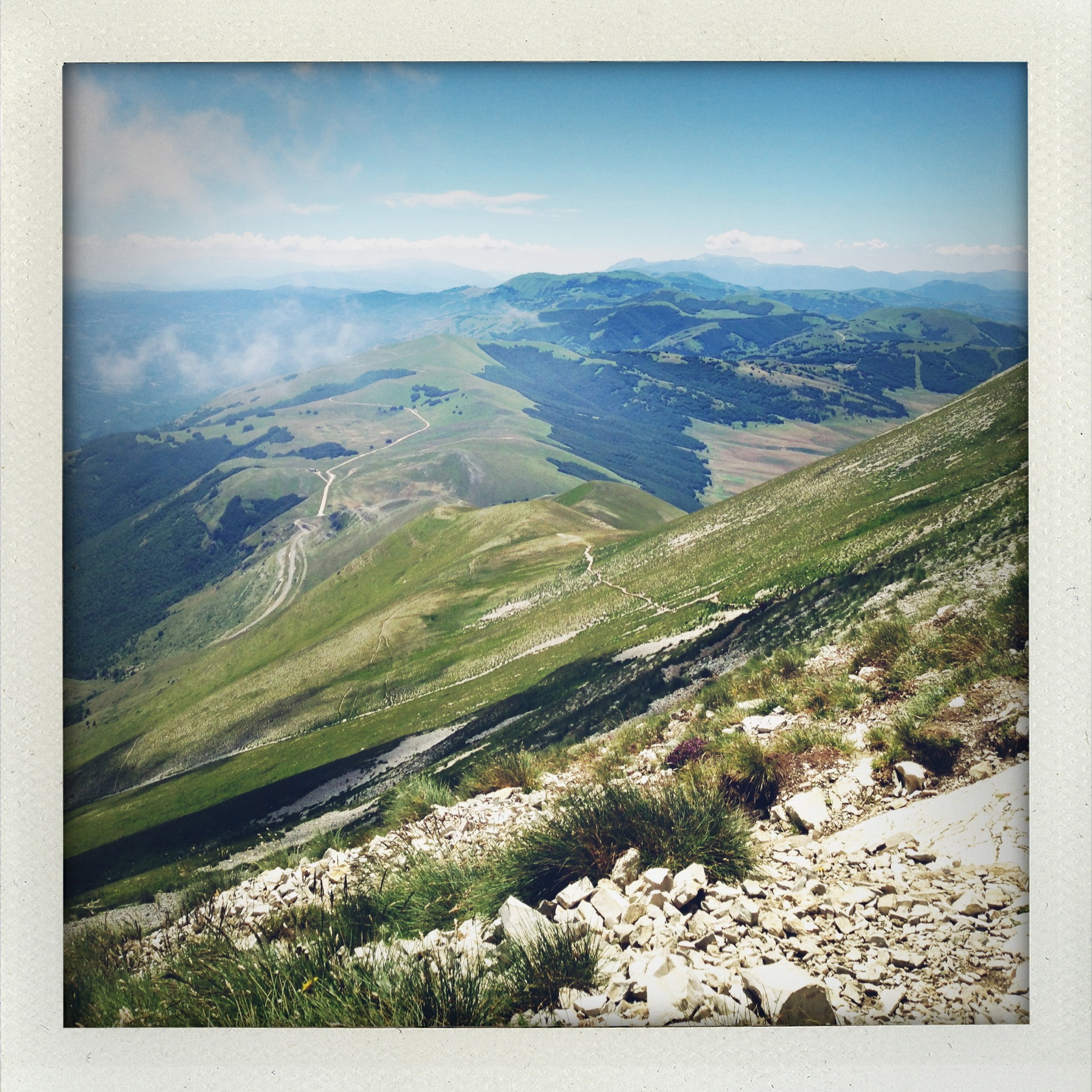
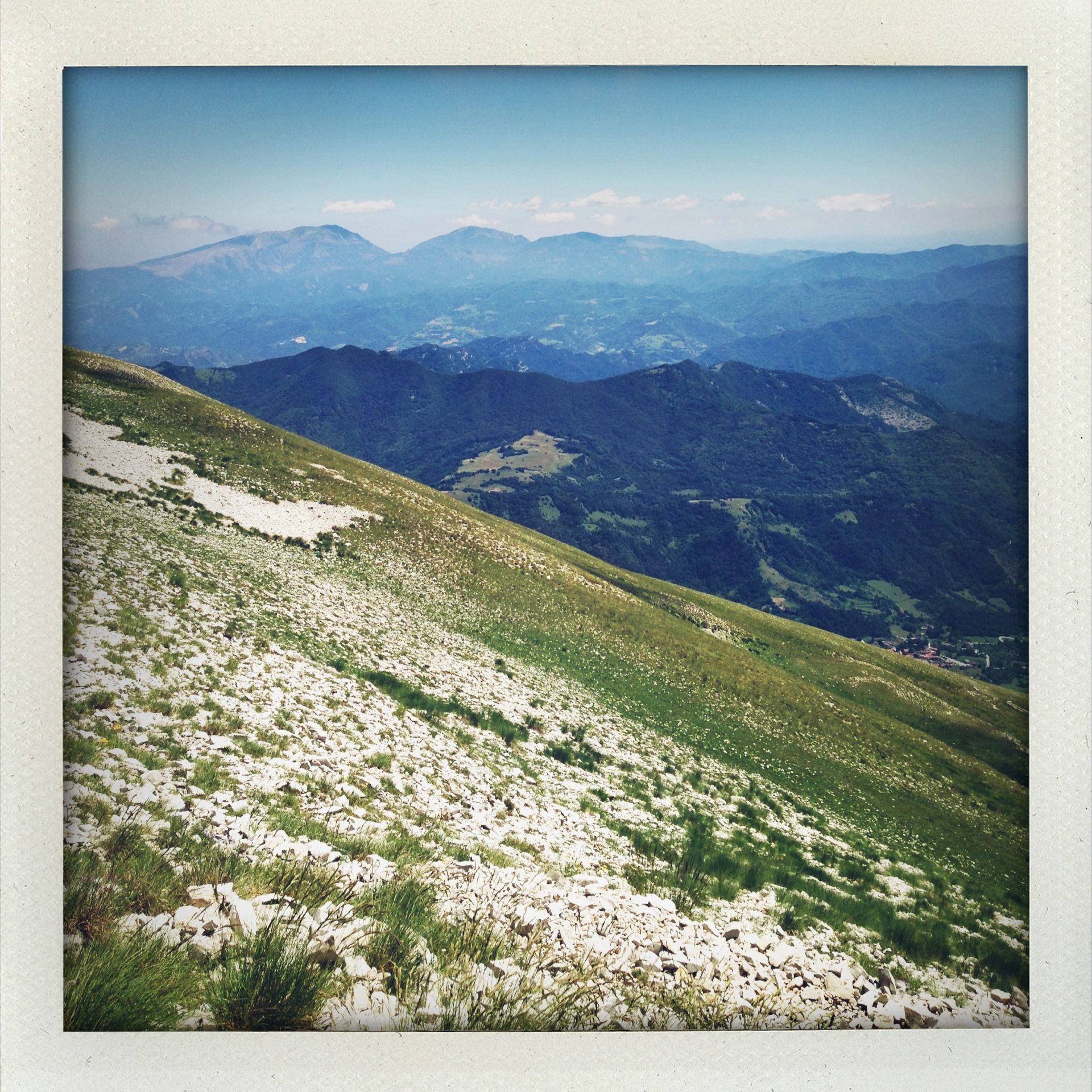
We climbed up a mountain — Phew.
We lolled by the Adriatic.

IMG_0084

All the while spending time with friends. Old friends we hadn’t seen in much too long. New friends.

photo

People should get married much more often.

Then a violent drive to Paris, and Thomas eurostarred to London while the children and I continued on to Brittany for the last three weeks of this transitional summer.

IMG_0130IMG_0143 IMG_0148 IMG_0149IMG_0125 IMG_0230 IMG_0267 IMG_0422IMG_0407 IMG_0440

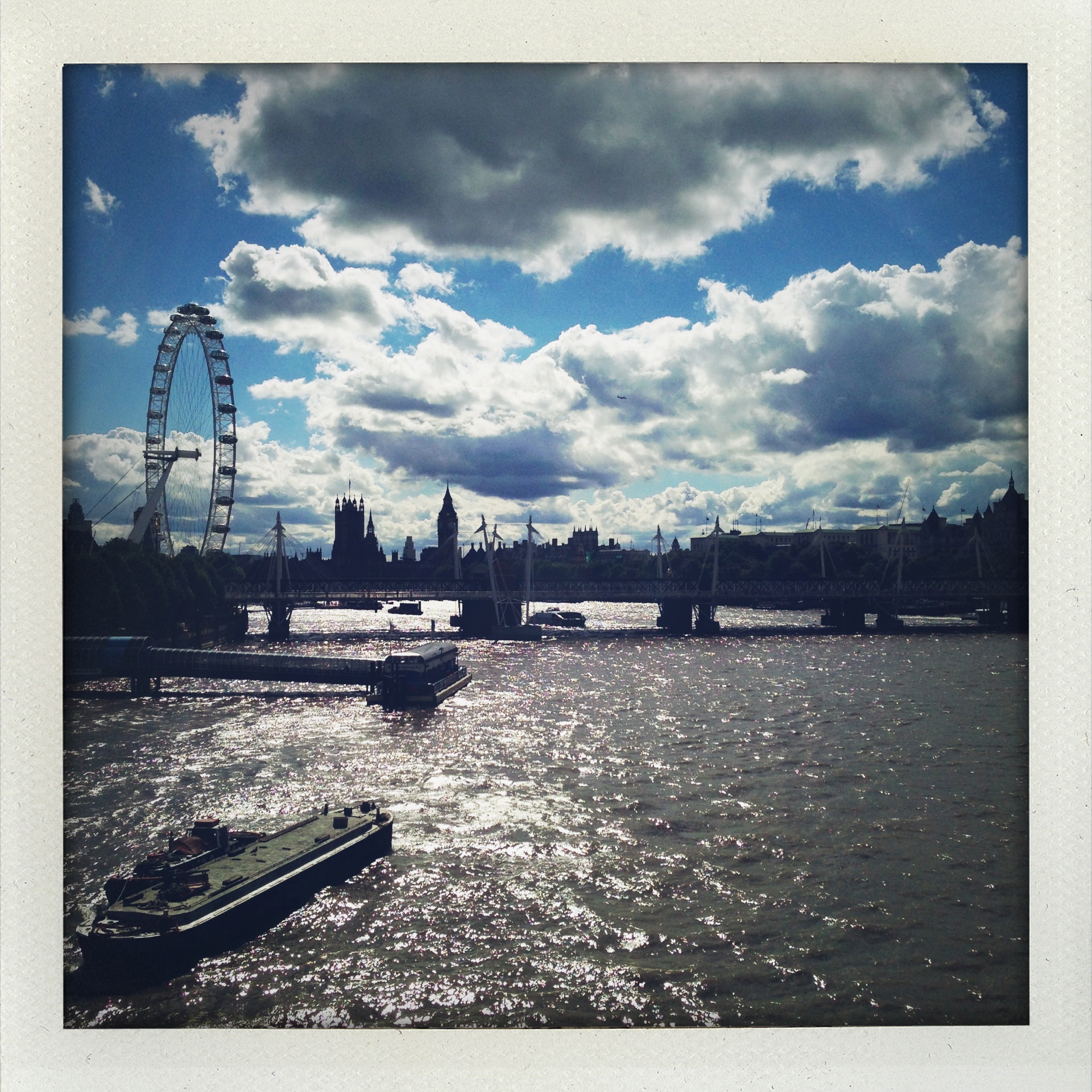
Before moving to London.